
7 Natural Ways to Boost Immunity for Toddlers
Table of Contents
- Why Natural Immune Support Matters for Toddlers
- 1. Serve Foods to Support a Toddler's Immune Health
- 7. Understand Vitamins for Toddlers and When to Ask Your Pediatrician
- The Real Picture
- Frequently Asked Questions
Last Updated: October 12, 2026
Why Natural Immune Support Matters for Toddlers
When your toddler catches their third cold in as many months, it's easy to wonder what you're missing.
At Bite Me Wellness Tonic, we know parents want to give their children every advantage without unnecessary interventions. 7 natural ways to boost immunity for toddlers focuses on what works: nutrition, sleep, movement, and hygiene.
1. Serve Foods to Support a Toddler's Immune Health
Nutrition is the foundation of immune support, the foods you serve influence how well your toddler's body responds to everyday germs.
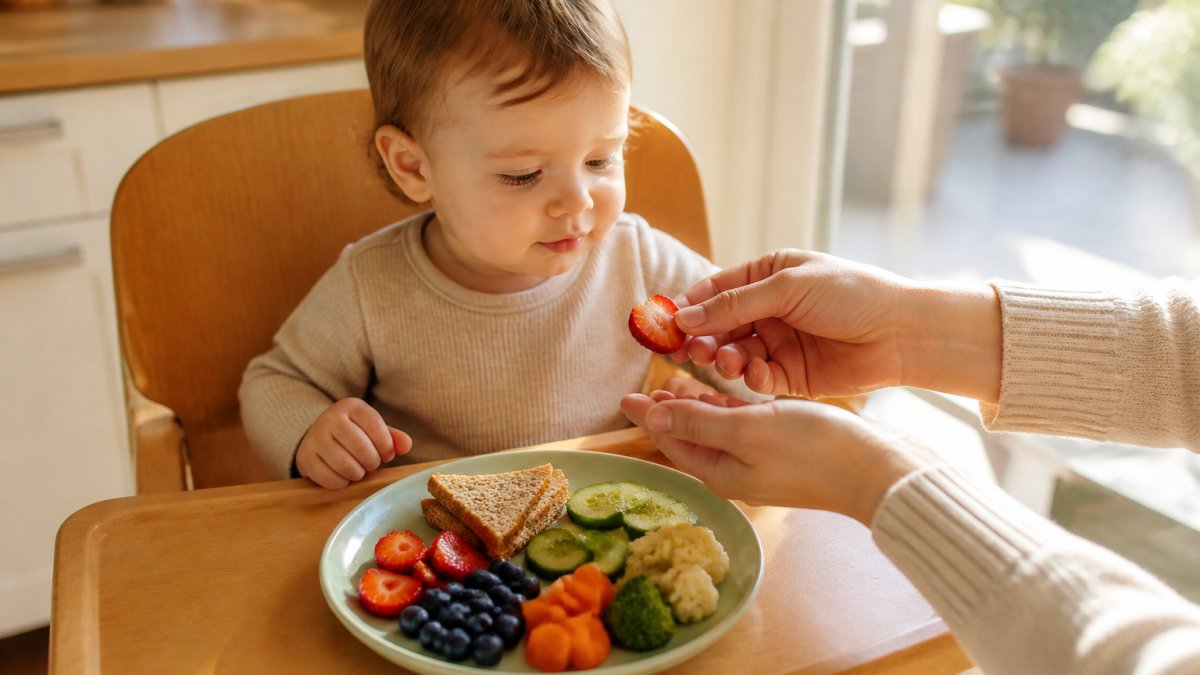
Nutrient-dense foods that work
Focus on whole foods from all five food groups for essential nutrients.
Best foods to include:
- Citrus fruits and berries: oranges, strawberries, blueberries, raspberries
- Leafy greens: spinach, kale (finely chopped or blended into foods)
- Eggs: packed with protein and nutrients that support immune cells
- Fiber from whole foods. Whole grains, beans, lentils, fruits, and vegetables feed beneficial bacteria. Aim for a fiber source at most meals.
- Variety. Different fibers feed different microbes. Rotating fruits, vegetables, and grains does more than eating the same "healthy" food daily.
- Fermented foods in small amounts. Yogurt with live active cultures, kefir, and plain fermented vegetables (finely chopped or blended) can introduce beneficial bacteria.
Probiotic foods vs. probiotic supplements
The difference matters for toddlers.
Food sources, yogurt, kefir, and fermented vegetables, are generally the safest way to introduce probiotics to a toddler, coming with protein, calcium, and other nutrients alongside the cultures.
Supplements are different. In the U.S., probiotic supplements are regulated as dietary supplements, not drugs, they aren't required to prove effectiveness before sale, and quality and labeling can vary widely.
For most toddlers eating a varied diet, probiotic supplements aren't necessary.
When to ask your pediatrician about gut health or probiotics
Talk to your pediatrician before giving your toddler any probiotic or digestive supplement, especially if:
- Your toddler has a weakened immune system, a central line, or a serious medical condition, some probiotic products carry real risk in these situations
- Your toddler was recently on antibiotics
- Your toddler has ongoing diarrhea, constipation, bloating, or blood in the stool
Your pediatrician can advise whether a supplement is appropriate, which strain and dose (if any) fits your child, and which products have a better quality track record.
What gut health can and can't do
Supporting your toddler's gut is a reasonable, low-risk part of a healthy routine, not a shortcut to fewer illnesses. No food, drink, or supplement has been shown to prevent toddlers from catching common colds. The realistic goal is steady, varied nutritional support, not "boosting" beyond what's normal.
7. Understand Vitamins for Toddlers and When to Ask Your Pediatrician
"Boost immunity" is commonly used but worth understanding clearly: you can't make your toddler's immune system stronger than it naturally is.
Certain nutrients matter for immune support: vitamin C, zinc, and vitamin D all play roles in how immune cells develop and function. Most toddlers get adequate amounts through a varied diet.
What research shows about supplementation
Many parents wonder if vitamins or supplements help toddlers avoid getting sick.
Toddlers typically get enough vitamin C from fruits and vegetables, zinc from meat, eggs, and whole grains, and vitamin D from sunlight and fortified milk.
Supplements can help in specific situations, dietary restrictions, refusal of certain food groups, or a diagnosed deficiency, which is where your pediatrician comes in.
When to talk to your pediatrician
Schedule a conversation with your pediatrician if:
- Your toddler has a limited diet and may be missing key nutrients
- You have concerns about their growth or development
- They have food allergies or intolerances that limit food groups
Your pediatrician can assess whether your toddler needs additional support and recommend specific options if needed.
The Real Picture
Supporting your toddler's immune health doesn't require special products or complicated routines. It requires consistency with the basics: nutritious foods, adequate sleep, hydration, movement, and good hygiene.
Most toddlers get 6-10 common colds per year, normal, and actually helpful for immune development.
The 7 natural ways to boost immunity for toddlers we've covered, whole foods, sleep, water, handwashing, movement, gut health, and knowing when to ask for professional guidance, are the foundation of healthy child development.
Start with one or two manageable habits, then add another once they're routine. Small, consistent changes create lasting results.
Frequently Asked Questions
What are the most effective natural ways to boost immunity for toddlers?
The most effective strategies combine balanced nutrition, adequate sleep, hydration, physical activity, and good hygiene. Serve whole foods rich in vitamin C (citrus fruits, berries), zinc (eggs, nuts), and probiotics (yogurt). Toddlers need 11-14 hours of sleep nightly, frequent handwashing, outdoor play, and consistent routines. These habits work together to support your toddler's immune response naturally.
Which foods to support a toddler's immune health are safest and most nutritious?
Focus on five food groups: fruits (berries, oranges), vegetables (sweet potato, broccoli), whole grains, protein (eggs, beans), and dairy (yogurt, cheese). Prepare foods age-appropriately to prevent choking hazards. Leafy greens, citrus fruits, and yogurt with probiotics are especially helpful. Avoid added sugars and processed foods. Offer variety daily to ensure your toddler gets essential nutrients that support immune function.
How much sleep do toddlers need, and does it really affect immunity?
Toddlers aged 1-3 need 11-14 hours of sleep per 24 hours, including naps. Sleep is when the body repairs and strengthens immune response. Consistent sleep patterns help regulate infection prevention and overall health. Create a calming bedtime routine, keep a consistent schedule, and ensure a dark, quiet sleep space. Adequate rest is as important as nutrition for supporting your toddler's immune system.
Do toddlers need vitamin supplements, or can they get everything from food?
Most toddlers can meet their nutritional needs through a balanced diet of whole foods. However, some may benefit from specific vitamins depending on diet restrictions or individual needs. Before starting any supplement, ask your pediatrician, they can assess your toddler's diet and recommend what's appropriate. Never assume supplements are necessary without professional guidance, as more is not always better for young children.
Ready to support your family's wellness from the inside out? Bite Me Wellness Tonic is crafted with organic apple cider vinegar, Manuka honey, ginger, and turmeric to support gut health and immune function for the whole family. Our smooth, delicious taste makes daily wellness something everyone enjoys, no harsh burn, just real support. SHOP