
Best Digestive Tonics for Sensitive Stomachs
Last Updated: November 2, 2026
Quick Summary
The gentlest digestive tonics for a sensitive stomach skip high acid, added sugar, and harsh spices in favor of mild ingredients like ginger, Manuka honey, and turmeric. Dilute apple cider vinegar well, sip it slowly with food, and keep servings small. These tonics are foods, not medicines or treatments for any condition.
- Dilute about one teaspoon of apple cider vinegar in eight to twelve ounces of still water.
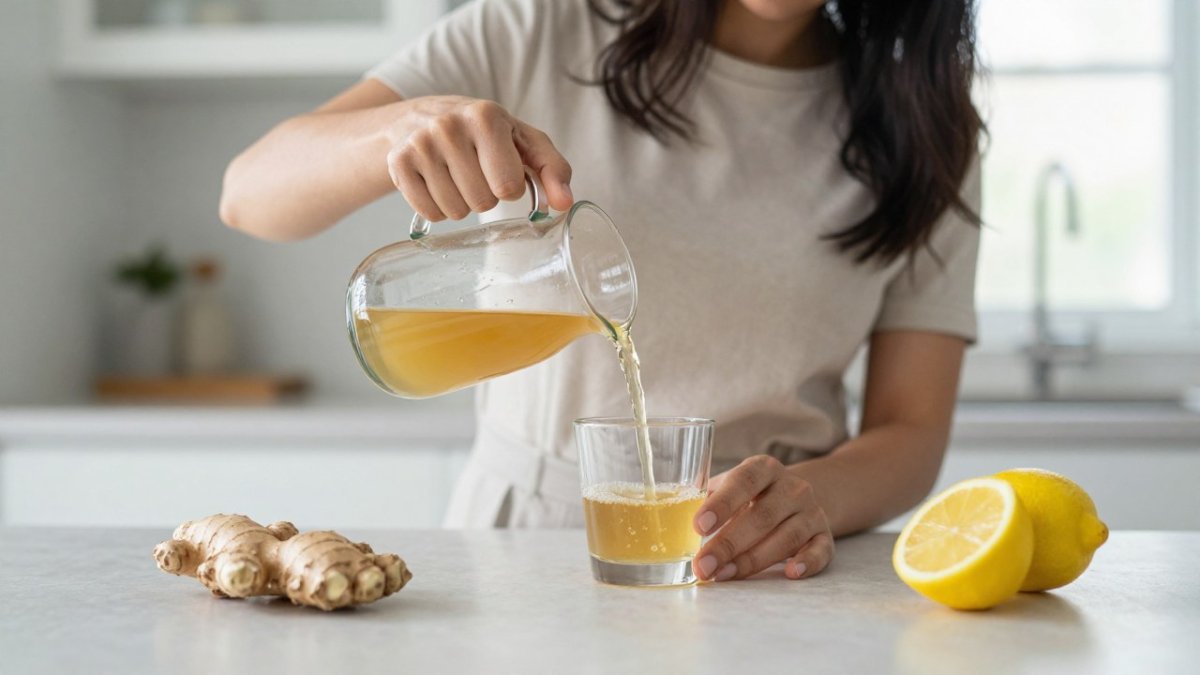
- Steep fresh ginger slices in hot water for five to ten minutes for a warm bloating-friendly drink.
- Avoid carbonated drinks, large sugary servings, and ice-cold beverages when bloating is a concern.
- Check ingredient order, added sweeteners, allergens, and serving size before buying any tonic.
- Start with a few servings a week and build to daily only if your stomach stays comfortable.
Table of Contents
- What Makes a Digestive Tonic Gentle Enough for a Sensitive Stomach
- How to Drink Apple Cider Vinegar Safely When Your Stomach Is Sensitive
- Apple Cider Vinegar Benefits and Side Effects: What Sensitive Stomachs Need to Know
- Best Drinks for Gut Health That Won't Trigger Bloating or Nausea
- Digestive Enzymes for a Sensitive Stomach: Do You Need a Supplement
- Symptom-Specific Tonic Choices: Bloating, Gas, Reflux, and Irregularity
- How to Compare Digestive Tonics Without Getting Fooled by Labels
- Choosing a Daily Tonic That Fits Your Routine and Your Stomach
- Frequently Asked Questions
What Makes a Digestive Tonic Gentle Enough for a Sensitive Stomach
Digestive tonics are liquid drinks, usually taken in small amounts, made with ingredients like apple cider vinegar, honey, ginger, or herbs. For a sensitive stomach, many people find the gentlest tonics are those that skip high acid, added sugar, and harsh spices in favor of mild, low-irritation ingredients.
Ingredients That Soothe vs. Ingredients That Irritate
Some ingredients are often described as mild for a sensitive stomach. Others are more likely to cause discomfort for some people.
Generally gentle:
- Ginger, a familiar ingredient in many people's everyday drinks
- Manuka honey, which adds sweetness without the sharpness of refined sugar
- Turmeric, a mild spice often paired with ginger
- Still water or diluted juice as a base
More likely to irritate:
- Undiluted apple cider vinegar, which can feel harsh going down
- Heavy spices like chili or large amounts of black pepper
- Added sugars and artificial sweeteners
- Carbonation, which can add to bloating and gas
The pattern is simple: gentler tonics lean on familiar, mild ingredients and keep the sharp stuff in check.
How to Read a Tonic Label Before You Buy
A label tells you more than the front of the bottle does. Here's how we scan one:
- Check the ingredient order: the first items are the largest by weight
- Look for added sugar or sweeteners you don't want
- Note whether vinegar is diluted or straight
- Look for allergens, especially onion and garlic powders
How to Drink Apple Cider Vinegar Safely When Your Stomach Is Sensitive
The safest way to drink apple cider vinegar with a sensitive stomach is to dilute it well, sip it slowly with food, and keep the amount small.
If you want the vinegar without the burn, a few habits make a real difference:
- Dilute it well. About one teaspoon in eight to twelve ounces of water or diluted juice, stirred in fully, not a concentrated shot.
- Pair it with food. A few sips with a meal can feel easier than vinegar on an empty stomach.
- Sip, don't shoot. Drinking slowly over several minutes is gentler than swallowing a whole serving at once.
- Use a straw. This keeps acid off your teeth, a common complaint with daily vinegar.
- Rinse after. A quick swish of plain water is a simple habit many people use after drinking.
- Start small and space it out. Begin a few times a week, then build to daily only if your stomach stays comfortable.
- Stop if it burns. Discomfort is a signal, not a challenge.
Watch out: Taking vinegar on an empty stomach, drinking it undiluted, or having several servings in one day can cause throat burn or stomach discomfort for some people.
Some people should be especially cautious with apple cider vinegar or skip it.
Many people find a pre-made blend with honey and ginger far easier to sip than raw vinegar.
Apple Cider Vinegar Benefits and Side Effects: What Sensitive Stomachs Need to Know
Apple cider vinegar is popular for everyday wellness, but it comes with side effects that matter more if your stomach is sensitive.
Some people include apple cider vinegar in a daily routine. It's a food, not a medicine, and not a treatment for any condition.
The side effects are worth knowing:
- Throat burn from straight vinegar
- Possible tooth discomfort with repeated direct contact
- Stomach upset when taken in large amounts or without food
If you're weighing whether a daily tonic fits your routine, the FDA guidance on dietary supplements is a useful reminder that supplements are regulated differently from drugs, so label claims deserve a careful read.
Best Drinks for Gut Health That Won't Trigger Bloating or Nausea
The best gut-friendly drinks for a sensitive stomach are low in sugar, not carbonated, and made with gentle ingredients like ginger, turmeric, or diluted vinegar.
Digestive Enzymes for a Sensitive Stomach: Do You Need a Supplement
Digestive enzymes are proteins that help break down food, and some people with a sensitive stomach wonder if a supplement would help.
Enzymes exist naturally in foods like pineapple, papaya, and fermented foods. A gentle daily tonic with ginger and turmeric is a low-effort way to support digestion without another pill.
If you're weighing supplements against gentler support, our breakdown of Prebiotics vs. Probiotics (and Why Your Gut Might Prefer "Gentle" Support) clarifies the difference.
Symptom-Specific Tonic Choices: Bloating, Gas, Reflux, and Irregularity
Different digestive complaints call for different approaches. A tonic that helps with bloating isn't necessarily the right pick for reflux, so match the drink to the symptom and to how your stomach responds. Below is a symptom-by-symptom guide with gentler choices, simple preparation notes, and what to avoid.
Bloating
For bloating, the gentlest approach is a warm, uncarbonated drink sipped slowly. Ginger tea is a common starting point: steep a few thin slices of fresh ginger in hot water for five to ten minutes, then sip warm. Peppermint tea is another popular choice. If you prefer a tonic, a small serving of a diluted ginger-and-turmeric blend with food sits better than a large or icy drink.
- Gentler choice: warm ginger or peppermint tea, or a small diluted tonic with food
- Preparation: steep fresh ginger in hot water for five to ten minutes; serve warm, not boiling
- What to avoid: carbonated drinks, large sugary servings, and ice-cold beverages
Gas
Gas often feels worse with fast drinking and cold, fizzy drinks. A warm ginger drink sipped slowly, served at room temperature or warm over several minutes rather than gulped, is a gentler pick.
- Gentler choice: warm ginger drink, sipped slowly
- Preparation: small serving, warm or room temperature, no carbonation
- What to avoid: ice-cold fizzy drinks and drinking quickly
Reflux
Reflux is where tonic choice matters most. Straight vinegar, citrus-heavy blends, and spicy mixes are the most likely to aggravate it. If you want a tonic, keep it mild, take small sips, and have it with food rather than on an empty stomach. Some people find even diluted vinegar is too much during a flare-up, respect that.
- Gentler choice: small sips of a mild, low-acid tonic with food
- Preparation: dilute well, serve at room temperature, keep the serving small
- What to avoid: straight vinegar, spicy blends, and large servings
Irregularity
For irregularity, steady fluids matter more than any single tonic. Water-rich drinks and consistent hydration throughout the day are the simpler starting point; a mild tonic can fit in, but shouldn't replace plain water.
- Gentler choice: water-rich drinks and steady fluids, with a mild tonic if desired
- Preparation: spread fluids across the day rather than in one large serving
- What to avoid: very concentrated tonics and relying on a tonic instead of regular hydration
| Symptom | Gentler choice | Preparation note | What to avoid |
|---|---|---|---|
| Bloating | Warm ginger or peppermint tea, diluted tonic | Steep fresh ginger 5-10 minutes; serve warm | Carbonated drinks, large sugary servings |
| Gas | Warm ginger drink | Small serving, room temperature, sip slowly | Ice-cold fizzy drinks, fast drinking |
| Reflux | Small sips of a mild tonic with food | Dilute well, serve at room temperature | Straight vinegar, spicy blends, large servings |
| Irregularity | Water-rich drinks, steady fluids | Spread fluids across the day | Very concentrated tonics |
The pattern across all four symptoms is the same: gentler ingredients, smaller servings, warm or room-temperature drinks, and attention to how your body responds. If a symptom persists or worsens, talk to a doctor.
How to Compare Digestive Tonics Without Getting Fooled by Labels
Comparing tonics comes down to ingredients, sweetness, serving size, and how your stomach responds, not the claims on the front of the bottle. A transparent label beats a flashy one every time.
Here's the comparison checklist we use:
- Ingredient list: short and recognizable beats long and mysterious
- Sweetener: honey or real fruit versus added syrups
- Acid level: diluted vinegar versus straight
- Hidden allergens: onion and garlic powders show up in surprising places
- Serving size: a small daily pour versus a large bottle
When comparing tonics, taste and tolerance can matter as much as the ingredient list. A tonic you'll actually drink daily beats a "better" one you abandon after a week.
Choosing a Daily Tonic That Fits Your Routine and Your Stomach
The right daily tonic is the one you'll actually drink, that agrees with your stomach, and that fits your morning. Consistency matters more than perfection.
Our blend uses organic apple cider vinegar, Manuka honey, ginger, and turmeric for a smooth, delicious taste. It's a food, not a supplement, designed to make a daily wellness habit something you look forward to.
A few things to weigh as you choose:
- Taste: you should enjoy it, not tolerate it
- Ingredients: check for your personal triggers
- Routine: pick a time you'll remember, like with breakfast
- Tolerance: start small and adjust
Frequently Asked Questions
What is the best tonic for the digestive system if I have a sensitive stomach?
There is no single best tonic for everyone. Start with one that lists gentle ingredients like ginger, turmeric, or diluted apple cider vinegar, and avoid anything with high sugar, artificial sweeteners, or large doses of capsaicin. A small serving of a tonic containing organic apple cider vinegar, Manuka honey, ginger, and turmeric is one option some people enjoy, so introduce it slowly and stop if you notice burning, nausea, or bloating.
Can apple cider vinegar irritate a sensitive stomach?
Yes. Undiluted apple cider vinegar is acidic and can cause throat burning and stomach discomfort, especially if you drink it on an empty stomach or in large amounts. If you want the benefits of apple cider vinegar without the harsh burn, choose a pre-diluted tonic or mix one to two tablespoons into at least eight ounces of water and drink it with a meal. Anyone with acid reflux or a history of ulcers should ask a doctor first.
Are ginger drinks gentle on the stomach?
Many people enjoy ginger for its flavor, and a ginger-based tonic or tea can be a milder option than a straight vinegar shot, but strength matters. Start with a small serving, avoid highly concentrated ginger extracts, and pay attention to added sugar or carbonation, which can trigger bloating in some people.
Do digestive enzymes help a sensitive stomach, and are they safe to take daily?
Digestive enzymes are proteins involved in breaking down food. They are not a fix for every digestive issue. Talk to your doctor before daily use, especially if you take medication or have a diagnosed condition, and treat enzymes as a support tool alongside food-based tonics rather than a replacement.
Most people who struggle with tonics aren't doing anything wrong. They just started with a harsh product that didn't suit a sensitive stomach. Bite Me Wellness Tonic is crafted with organic apple cider vinegar, Manuka honey, ginger, and turmeric for a smooth taste without the harsh burn, and it's free of onion and garlic for those who need to avoid them. Get started with Bite Me Wellness Tonic and make your daily wellness habit one you actually enjoy.
