
How to Fix Chronic Digestive Issues Naturally
Table of Contents
- Why Chronic Digestive Issues Need a Whole-Picture Approach
- Foods for Digestive Health: Building a Gut-Friendly Plate
- Can Stress Cause Bloating and Constipation? The Gut-Brain Link
- Everyday Habits That Support Regularity and Hydration
- What to Limit: Caffeine, Alcohol, and Common Food Triggers
- When to See a Doctor for Digestive Issues
- A 30-Day Troubleshooting Plan for Chronic Digestive Issues
- Frequently Asked Questions
Last Updated: October 20, 2026
Why Chronic Digestive Issues Need a Whole-Picture Approach
Chronic digestive issues rarely trace back to one food or one missed habit.
At Bite Me Wellness Tonic, we talk to people every week who have tried eliminating one food, then another, and still feel bloated by dinner.

Here is the throughline for this guide. Most people treat digestion like a switch to flip. It behaves more like a garden to tend.
Foods for Digestive Health: Building a Gut-Friendly Plate
A gut-friendly plate is built around fiber, water, and fermented foods, with protein and healthy fats rounding it out. The goal is variety across the week, not perfection at every meal.
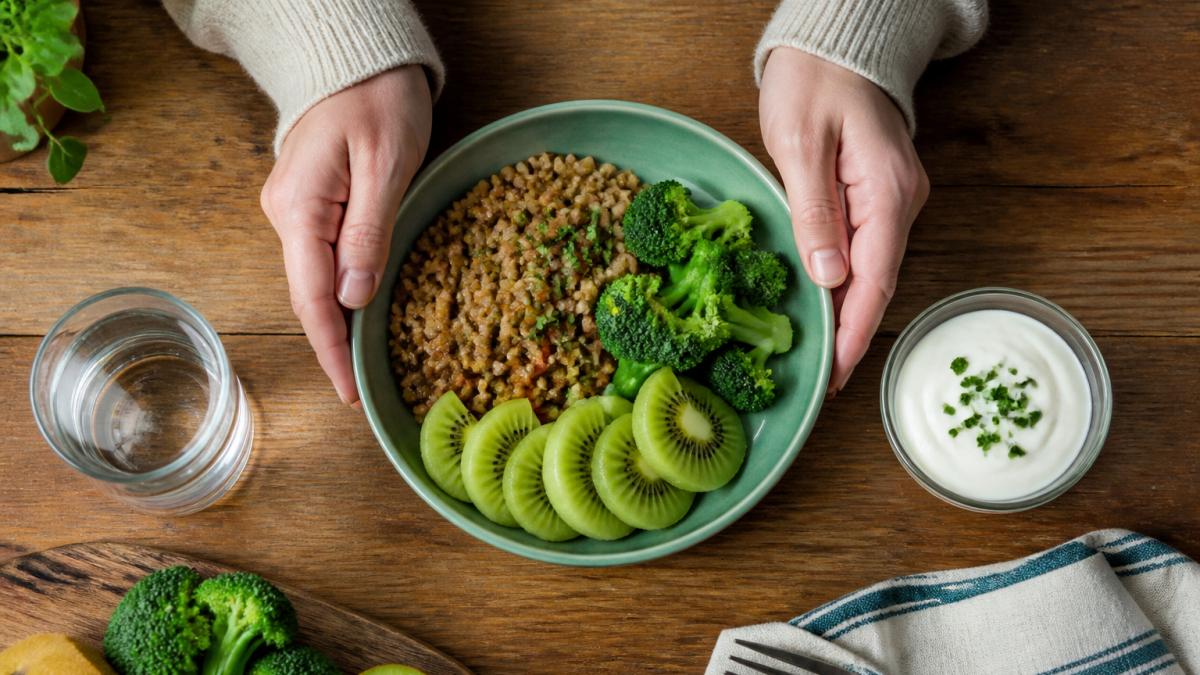
Start with the plate itself: half vegetables and fruit, a quarter whole grains or beans, a quarter protein. That single visual rule covers most of what foods for digestive health actually require.
Fiber: Soluble, Insoluble, and Prebiotic
Fiber is the single most impactful dietary change for most people, and it comes in three useful forms. Soluble fiber, found in oats, beans, and apples, forms a gel that softens stool.
Increase fiber gradually. Jumping from a low-fiber diet to a high-fiber one overnight is a classic cause of extra bloating and gas. Add one serving every few days and drink more water as you go.
Probiotic-Rich Foods and the Gut Microbiome
The gut microbiome is the community of bacteria living in your digestive tract, and probiotic-rich foods help keep it diverse. Yogurt with live cultures, kefir, sauerkraut, kimchi, and miso are the most common sources.
A common mistake is buying a probiotic supplement before fixing the basics. Food sources are gentler, cheaper, and easier to stack into habits you will actually keep.
Can Stress Cause Bloating and Constipation? The Gut-Brain Link
Yes. Stress can cause bloating and constipation because the gut and brain communicate constantly through the nervous system. This two-way conversation is often called the gut-brain axis, and it runs along the vagus nerve, which connects the brainstem to the digestive tract.
The pattern is usually easy to spot once you look for it. A week of deadlines produces the same symptoms as a week of bad eating.
How Stress Shows Up in Different Symptoms
Stress does not affect every digestive symptom the same way. Pay attention to which pattern matches yours:
- Bloating and gas: Stress can slow the passage of food and increase sensitivity to normal gas, making you feel bloated even when nothing unusual is happening in your gut.
- Constipation: The colon is partly controlled by the nervous system; under stress, motility can slow and the urge to go can be ignored or suppressed.
- Diarrhea or urgency: In some people, stress speeds up transit and increases gut sensitivity, leading to loose stools or sudden urgency.
Tracking which symptom flares during stressful periods is more useful than treating "digestion" as one problem.
A Practical Stress-Digestion Protocol
The fix is not "relax more." It is building specific decompression points into the day that directly affect digestion:
- Before eating: Take three slow breaths before your first bite. This activates the parasympathetic "rest and digest" state and signals the gut that food is coming.
- Chew thoroughly: Digestion starts in the mouth. Rushed eating puts more work on everything downstream. Aim to chew each bite until it is soft enough to swallow easily.
- Post-meal walk: Ten minutes of easy movement after your largest meal supports motility and gives the nervous system a gentle reset.
- Consistent wind-down: A predictable evening routine, dim lights, no screens for the last 30 minutes, a consistent bedtime, helps regulate the nervous system over time.
- Daily movement: Even a short walk or a few minutes of stretching can reduce stress load and support regular bowel movements.
Stress management is not a replacement for medical care. If symptoms are severe, persistent, or come with warning signs, see a doctor. But for everyday stress-related bloating and constipation, these small routines often make a noticeable difference within a few weeks.
Everyday Habits That Support Regularity and Hydration
Regularity comes from rhythm more than willpower. The body responds well to consistent timing: meals at roughly the same hours, a morning glass of water, and a predictable window for a bowel movement.
Hydration matters more than most people expect. Fiber without enough water can backfire and make constipation worse. Keep water visible and drink with meals rather than gulping it all at once.
- Drink a glass of water within 30 minutes of waking
- Eat meals at consistent times
- Take a 10-minute walk after your largest meal
What to Limit: Caffeine, Alcohol, and Common Food Triggers
Some inputs make digestive symptoms worse no matter how good the rest of your routine is. Caffeine, alcohol, and a short list of common triggers top the list. But "limit" does not mean "eliminate everything", the goal is to identify which inputs matter for your specific symptoms and reduce them strategically.
Caffeine and Alcohol: What the Evidence Suggests
Caffeine stimulates the gut, which helps some people and sends others running for the bathroom. It can speed up transit and increase urgency, especially on an empty stomach. Alcohol irritates the stomach lining and can disrupt the balance of gut bacteria. Neither needs to disappear entirely, but if you drink coffee on an empty stomach and wine most evenings, try scaling back for two weeks and see what changes.
The 30 Day Bloat Reset Guide →
Common Food Triggers by Symptom
Different symptoms often point to different triggers. Instead of cutting everything at once, match your trigger list to your main symptom:
- Bloating and gas: Onion, garlic, beans, lentils, and cruciferous vegetables like broccoli and cabbage are common culprits. These foods are healthy but contain fermentable fibers that some people digest poorly. If you suspect them, try smaller portions or cooking them thoroughly before eliminating.
- Diarrhea or loose stools: Very spicy foods, heavy fried meals, large amounts of added sugar, and artificial sweeteners like sorbitol and mannitol can worsen urgency. High-fat meals can also speed up transit in some people.
- Constipation: Low fiber and low water intake are the biggest contributors. Ironically, cutting out too many foods can make constipation worse by reducing fiber and fluid intake.
How to Test Triggers Without Cutting Everything
Eliminating five food groups at once is a classic mistake. If you cut everything suspected at the same time, you will not know which change helped and which one just made eating harder. A better approach:
- Pick one suspected trigger based on your main symptom.
- Reduce or remove it for 7-14 days while keeping everything else the same.
- Track your symptoms daily, note severity and timing.
- Reintroduce it in a small amount and see if symptoms return.
- Move to the next trigger only after you have a clear answer on the first.
A Note on Supplements and "Natural" Remedies
Many natural remedies for digestion are marketed heavily but have limited evidence. Before adding a supplement, consider whether the basics, fiber, water, regular meals, stress management, are in place. If you do try a supplement, check with a healthcare professional about interactions with any medications you take, especially if you have a chronic condition. Food-first approaches are generally gentler and easier to sustain.
When to See a Doctor for Digestive Issues
See a doctor for digestive issues when symptoms persist for more than a few weeks, disrupt your sleep or daily life, or come with warning signs.
Seek care promptly if you notice blood in your stool, unexplained weight loss, persistent vomiting, severe pain, or a major change in bowel habits that does not settle.
For ongoing symptoms without red flags, a primary care doctor can help rule out common causes and point you toward the right specialist.
A 30-Day Troubleshooting Plan for Chronic Digestive Issues
A structured month beats an endless list of tips.
Week 1: Baseline. Change nothing. Track meals, water, sleep, stress, and symptoms in a simple notes app.
Week 2: Add fiber and water. Add one fiber-rich food per day and one extra glass of water.
Week 4: Reduce triggers. Scale back caffeine or alcohol and test one suspected trigger food at a time.
| Week | Focus | What to Change | What to Track |
|---|---|---|---|
| 1 | Baseline | Nothing | Meals, water, sleep, symptoms |
| 2 | Fiber and hydration | One fiber food and one extra glass of water daily | Bloating, bowel movements |
| 3 | Fermented foods and movement | Daily probiotic food plus post-meal walk | Energy, regularity |
| 4 | Trigger reduction | Less caffeine or alcohol, one test food | Symptom changes |
For a guided version of this month, our 30 Day Bloat Reset Guide pairs daily check-ins with a full 7-day meal plan and shopping list.

Chronic digestive discomfort is exhausting, and the trial-and-error phase is where most people quit. A gentler daily ritual helps you stay consistent while you work through the bigger changes. Bite Me Wellness Tonic is made with organic apple cider vinegar, Manuka honey, ginger, and turmeric, with a smooth taste and no harsh burn, and it is free of onion and garlic for sensitive stomachs. Start with a bottle of Bite Me Tonic or the 2-pack and build your reset around a habit you will actually keep.

*This content is for educational purposes only and is not intended as medical advice.
Frequently Asked Questions
Can changing what I eat help with bloating or constipation?
Yes. Food choices are one of the most direct levers for both bloating and constipation. Adding fiber from whole grains, beans, lentils, oats, and fruits and vegetables supports regularity, while adequate water intake helps fiber do its job. Probiotic-rich foods like yogurt and fermented vegetables can support the gut microbiome. At the same time, limiting caffeine and alcohol and identifying personal food triggers helps reduce abdominal discomfort. Changes usually take a few weeks to show results, so give each adjustment time before judging it.
Can stress cause bloating and constipation?
Stress is a well-recognized contributor to digestive symptoms. The gut and brain communicate constantly, and periods of high stress can change how food moves through the digestive tract, contributing to bloating, constipation, or abdominal discomfort. People with IBS symptoms often notice flares during stressful weeks. Practical steps include regular meal times, slow breathing before eating, adequate sleep, and daily movement. If stress-related digestive symptoms persist for weeks or worsen, talk with a health care professional about next steps.
How long should I try natural changes before seeing a doctor?
A reasonable window is four to six weeks of consistent dietary and lifestyle changes. If chronic digestive issues like bloating, constipation, or abdominal discomfort do not improve, or if symptoms interfere with daily life, it is time to see a doctor. Seek care sooner if you notice red flags such as unexplained weight loss, blood in stool, persistent vomiting, fever, or symptoms that wake you at night. A structured tracking plan can help you describe patterns clearly at your appointment.
Are digestive supplements safe, and do I need them?
Dietary supplements are not regulated the same way as medications, so evidence quality and ingredient transparency vary widely. Some people benefit from specific supplements, but many see improvement from food-first changes alone. Check for third-party testing, review possible interactions with any medications you take, and avoid products making disease claims. If you have a diagnosed digestive disorder, discuss supplements with your doctor before starting. For most people, fiber-rich foods, hydration, and probiotic-rich foods are the safer starting point.
Which everyday habits may support digestive health?
Several small habits add up. Eat meals at consistent times, chew food thoroughly, and sit down rather than eating on the run. Drink water throughout the day, especially when increasing fiber. Move your body daily, even a short walk after meals. Manage stress with breathing exercises or adequate sleep. Limit caffeine and alcohol where they trigger symptoms. Keep a simple symptom log so you can see which habits actually help your digestion and which do not.