
Natural Remedies for Occasional Indigestion
Table of Contents
- Understanding Occasional Indigestion and Its Triggers
- Best Natural Remedies for Occasional Indigestion
- Foods to Eat for Indigestion Relief
- How to Prevent Indigestion After Eating
- Home Remedies for Indigestion You Can Make Today
- When to See a Doctor for Indigestion
- Creating Your Indigestion Action Plan
- Frequently Asked Questions
Last Updated: October 10, 2026
Understanding Occasional Indigestion and Its Triggers
Occasional indigestion (dyspepsia) is digestive upset after eating that causes bloating, gas, nausea, or stomach discomfort. Most people experience it after heavy meals or certain foods.
Common triggers include eating too quickly, eating large portions, fatty or spicy foods, and stress. Some people find that onion and garlic cause bloating. Others notice it after caffeine or alcohol. Identifying your specific triggers is the first step toward relief.
Simple home remedies and lifestyle shifts often work best.
Best Natural Remedies for Occasional Indigestion
Natural remedies for occasional indigestion work by calming your digestive system or supporting food movement through your stomach. Below are the most commonly used options.
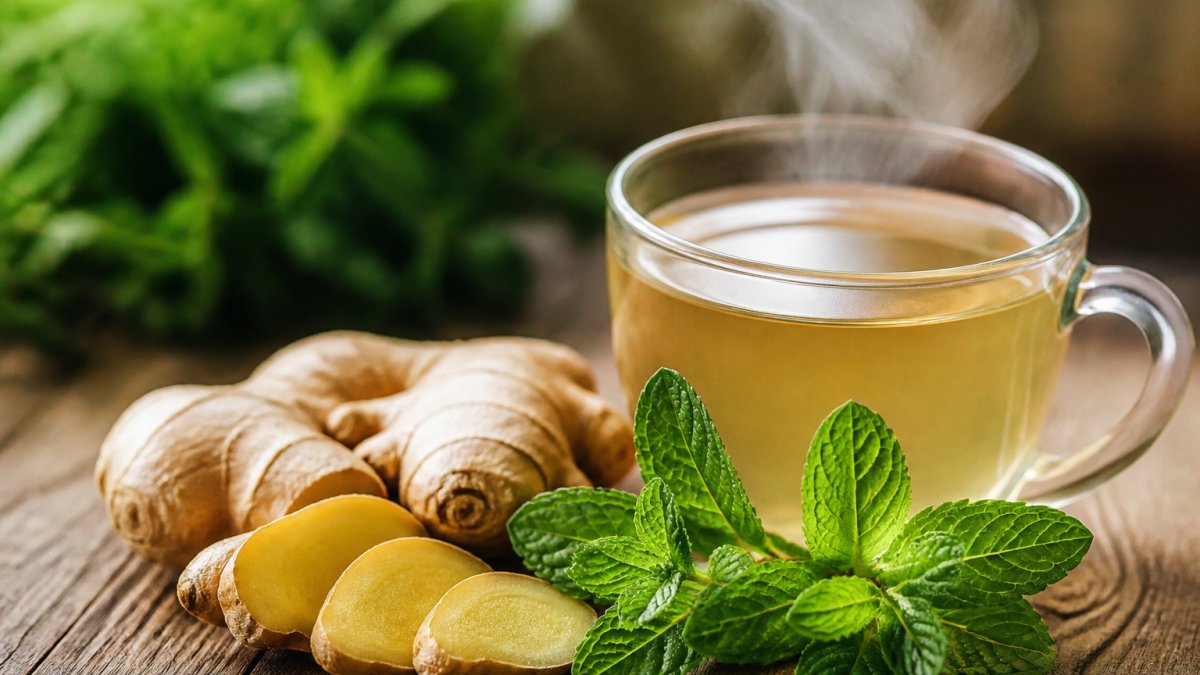
Ginger and Ginger Tea
Ginger is among the most researched natural options for digestive comfort. It contains compounds that may help relax stomach muscles and reduce bloating and gas.
How to use: Steep fresh ginger slices (about 1-2 tablespoons, sliced thin) in hot water for 5-10 minutes. Drink it warm after eating. You can add lemon or honey for taste. Start with a small amount and observe how your body responds.
Safety notes: Ginger is generally well-tolerated. If you take blood thinners, have a bleeding disorder, are pregnant, or have gallstones, consult your doctor before regular use.
Peppermint and Mint Tea
Peppermint relaxes smooth muscles in your digestive tract, easing cramping and bloating.
How to use: Steep fresh peppermint leaves or a peppermint tea bag in hot water for 5 minutes. Drink it slowly after meals. Some people prefer it cooled. Use this remedy when you feel bloating or stomach discomfort starting.
Safety notes: Peppermint is safe for most people. If you have GERD, are pregnant, breastfeeding, or take regular medications, consult your doctor before use.
Herbal Remedies and Digestive Aids
Beyond ginger and peppermint, other herbs have traditional uses for digestive comfort.
Fennel: Fennel seeds and tea are traditionally used for gas and bloating. Avoid if allergic to plants in the carrot family.
Caraway seeds: Caraway has been used in traditional medicine for stomach settling and gas relief. Evidence is limited but suggests possible mild benefit. Chew a small amount after meals. Caraway is safe for most people but may cause allergic reactions in those sensitive to plants in the carrot family.
Licorice root: Licorice root is traditionally used for stomach comfort but can raise blood pressure and interact with medications. Avoid if you have high blood pressure, heart disease, kidney disease, or are pregnant.
General guidance: Each person responds differently to herbal remedies. Try one at a time over several days to see what works for you. If you take regular medications or have chronic health conditions, ask your doctor or pharmacist before adding herbal remedies to your routine.
Apple Cider Vinegar and Warm Water Solutions
Apple cider vinegar is used for digestive support.
How to use: If you try apple cider vinegar, start with one tablespoon in a glass of warm water, taken 15 minutes before eating. Never drink it straight, undiluted vinegar can harm your tooth enamel and irritate your throat and esophagus.
Safety notes: Skip this remedy if you have sensitive teeth, acid reflux, a sensitive stomach, eating disorders, or digestive ulcers. Consult your doctor if you take diabetes medications or diuretics.
Foods to Eat for Indigestion Relief
What you eat matters as much as how you eat. Certain foods calm your digestive system, while others trigger upset.
Foods that typically ease indigestion include:
- Ginger (fresh, in tea, or cooked into meals)
- Leafy greens like spinach and kale
- Oatmeal and whole grains
- Bananas and other mild fruits
- Lean proteins like chicken or fish
- Bone broth or vegetable broth
- Cooked vegetables (easier to digest than raw)
- Herbal teas like chamomile or fennel
Avoid or limit foods that commonly trigger upset:
- Fatty or fried foods
- Spicy foods
- Chocolate
- Caffeine in large amounts
- Alcohol
- Carbonated drinks
- Very hot foods or drinks
Keep a food log for a week to identify which foods trigger discomfort.
How to Prevent Indigestion After Eating
Prevention is easier than managing discomfort after it starts. Small changes to how and when you eat create big results.
Meal Size and Eating Pace
Smaller, frequent meals are gentler than large ones. Eat slowly, chewing thoroughly. Mindful eating, sitting at a table without screens and focusing on the food, reduces bloating and discomfort.
The 30 Day Bloat Reset Guide →
Timing and Lifestyle Adjustments
Wait 2-3 hours after eating before lying down. Gentle movement after eating, a short walk or light stretching, supports digestion. Avoid intense exercise right after meals. Take 5 minutes before eating to breathe deeply or relax, which activates your parasympathetic nervous system.
Home Remedies for Indigestion You Can Make Today
You don't need to buy special products. Simple remedies from your kitchen work well.
Warm lemon water: Squeeze half a lemon into warm water. Drink it 15 minutes before eating. Some people find this helps with digestion.
Ginger tea: Slice fresh ginger and steep in hot water for 10 minutes. Drink warm.
Mint tea: Steep fresh mint leaves or a tea bag in hot water for 5 minutes. Drink slowly.
Baking soda solution: Mix half a teaspoon of baking soda in a glass of water. Drink it slowly if you feel stomach discomfort. This is temporary relief only, not a daily solution.
Aloe vera juice: A small amount of pure aloe vera juice may soothe your stomach. Use only food-grade aloe and follow package directions.
Start with one remedy. Give it a few days to work. Your body needs time to respond.
When to See a Doctor for Indigestion
Occasional indigestion is normal and usually resolves with home remedies or time. However, certain patterns and symptoms warrant professional evaluation.
Red-Flag Symptoms That Need Urgent or Immediate Care
Seek emergency care (call 911 or go to the emergency department) if you experience:
- Severe chest pain or pressure, especially if accompanied by shortness of breath, sweating, or pain radiating to your arm or jaw. These can signal a heart problem, not indigestion.
- Difficulty swallowing or pain with swallowing that is severe or worsening.
- Persistent vomiting, especially if you cannot keep down fluids or if vomit contains blood or looks like coffee grounds.
- Signs of internal bleeding: black or tarry stools, bright red blood in vomit, or unusual bruising.
- Severe abdominal pain that is constant, sharp, or accompanied by fever.
Symptoms That Warrant a Doctor's Appointment (Non-Urgent)
Schedule an appointment with your primary care doctor if you experience:
- Indigestion occurring more than twice per week for more than two weeks, despite trying home remedies and dietary changes. Frequent indigestion may indicate a pattern that needs investigation.
- Symptoms lasting longer than two weeks without improvement from home remedies.
- Unexplained weight loss (more than a few pounds over a few weeks), even if you haven't changed your diet or exercise.
- Persistent nausea that interferes with eating or daily activities.
- Heartburn or acid reflux symptoms that occur regularly (more than twice per week), as this may indicate gastroesophageal reflux disease (GERD) rather than simple indigestion and may require different management.
- New or worsening symptoms if you are over 60 and indigestion is a new experience for you.
- Symptoms that wake you at night or significantly disrupt your sleep.
Understanding the Difference: Indigestion vs. Other Conditions
Indigestion (dyspepsia) is discomfort or pain in the upper abdomen, often described as bloating, fullness, or a burning sensation, typically occurring during or shortly after eating. It is usually mild and resolves within hours.
What to Expect at Your Doctor's Visit
Your doctor will ask about:
- When symptoms started and how often they occur
- What foods or situations trigger your discomfort
- How long symptoms last
- Other symptoms (nausea, vomiting, weight changes, sleep disruption)
- Your current medications and supplements
- Your stress level and eating habits
- Your family history of digestive or stomach conditions
Your doctor may perform a physical exam and, depending on your symptoms and history, may order tests such as blood work, an upper endoscopy (a camera to visualize your stomach), or imaging. These tests help rule out conditions like ulcers, gastritis, or H. pylori infection that require specific treatment.
When Home Remedies Are Enough
If your symptoms fit this profile, home remedies and lifestyle changes are usually sufficient:
- Indigestion occurs fewer than twice per week
- Symptoms resolve within a few hours
- You can identify a clear trigger (heavy meal, specific food, eating too quickly, stress)
- Symptoms improve with rest, smaller meals, or home remedies
- You have no other health conditions or concerning symptoms
In these cases, the natural remedies indigestion covered in this article, ginger tea, peppermint, smaller meals, slower eating, and stress management, are appropriate first-line approaches. Track your symptoms for two weeks. If they improve or resolve, you have found your personal remedy plan.
Creating Your Indigestion Action Plan
You now have practical tools. The next step is building a simple plan that works for your life.
| Strategy | When to Use | Expected Result |
|---|---|---|
| Ginger or peppermint tea | After meals or when bloating starts | Relief in 20-30 minutes |
| Smaller meals, slower eating | Every meal | Less frequent discomfort |
| Warm lemon water | 15 minutes before eating | Improved digestion |
| Walking after eating | Right after meals | Easier food movement |
| Stress breathing | Before eating | Better digestive function |
Pick two or three strategies that fit your routine. Master those before adding more. Consistency beats complexity.
Track what works. After two weeks, you'll know your personal triggers and your best remedies. This knowledge becomes your foundation for lasting comfort.
Occasional indigestion doesn't have to control your day. Natural remedies work, but only when you match them to your specific needs. The [Bite Me Wellness Tonic team created The 30 Day Bloat Reset Guide](https://bitemetonic.com/products/the-30-day-bloat-reset) to help you build lasting digestive comfort with simple daily habits, a practical meal plan, and real support. It's designed for people who want results without crash diets or complicated rules. Start with the basics covered here, then deepen your approach with guided daily habits that actually stick.

Frequently Asked Questions
Can ginger help with occasional indigestion?
Yes. Ginger has been used traditionally to support digestive comfort and may help soothe occasional stomach upset. Ginger tea or fresh ginger added to warm water can be consumed when discomfort occurs. Start with a small amount and increase gradually to see what works for your body.
What should I eat or drink when I have indigestion?
When experiencing occasional indigestion, reach for easily digestible foods like bananas, oatmeal, leafy greens, and lean proteins. Herbal teas such as peppermint or ginger tea can provide comfort. Avoid heavy, fried, or spicy foods. Warm liquids like bone broth or vegetable soup are gentler on the digestive system than cold drinks. Eat slowly and in smaller portions.
When should I seek medical care for indigestion?
Seek medical attention if occasional indigestion becomes frequent, lasts more than two weeks, or is accompanied by severe pain, persistent vomiting, difficulty swallowing, unexplained weight loss, or signs of bleeding. If you experience chest pain, shortness of breath, or pressure in your chest, seek immediate care.
How can I stop indigestion from happening all the time?
Prevent frequent indigestion by eating smaller meals, chewing thoroughly, eating slowly, and avoiding trigger foods. Wait 2-3 hours after eating before lying down. Stay hydrated throughout the day. Manage stress through gentle exercise like walking or yoga. Limit caffeine and alcohol. Identify and avoid your personal triggers. Consider keeping a food diary to track which foods cause discomfort in your body.