Which Non-Alcoholic Aperitif Is Worth Drinking?
Last Updated: November 14, 2026
Quick Summary
A non-alcoholic aperitif is a bittersweet, flavor-forward drink sipped before a meal to wake up the palate without alcohol. The best ones balance citrus, spice, depth and a clean finish. For healthy social drinking, check sweetness, serving size, caffeine and the alcohol statement before you buy.
- Look for bright citrus, warm spice, rounded sweetness and earthy depth.
- Check total sugars per serving, since honey and syrups still add sugar.
- A concentrate's small pours make per-serving numbers differ from ready-to-drink bottles.
- Confirm a 0.0% alcohol statement if you need to avoid alcohol completely.
- Bite Me yields 16 servings per 16 fl oz bottle, enough to open a small dinner party.
Table of Contents
- What Is a Good Non-Alcoholic Aperitif? Flavor Profiles to Look For
- Bitter Non Alcoholic Aperitif Styles and How They Drink
- Aperitif-Style Mocktail Recipes to Try at Home
- Ginger Citrus Mocktail Pairings and Mixers
- Serving for Social Gatherings and Dinner Hosting
- Choosing Your Next Bottle for the Glass
- Frequently Asked Questions
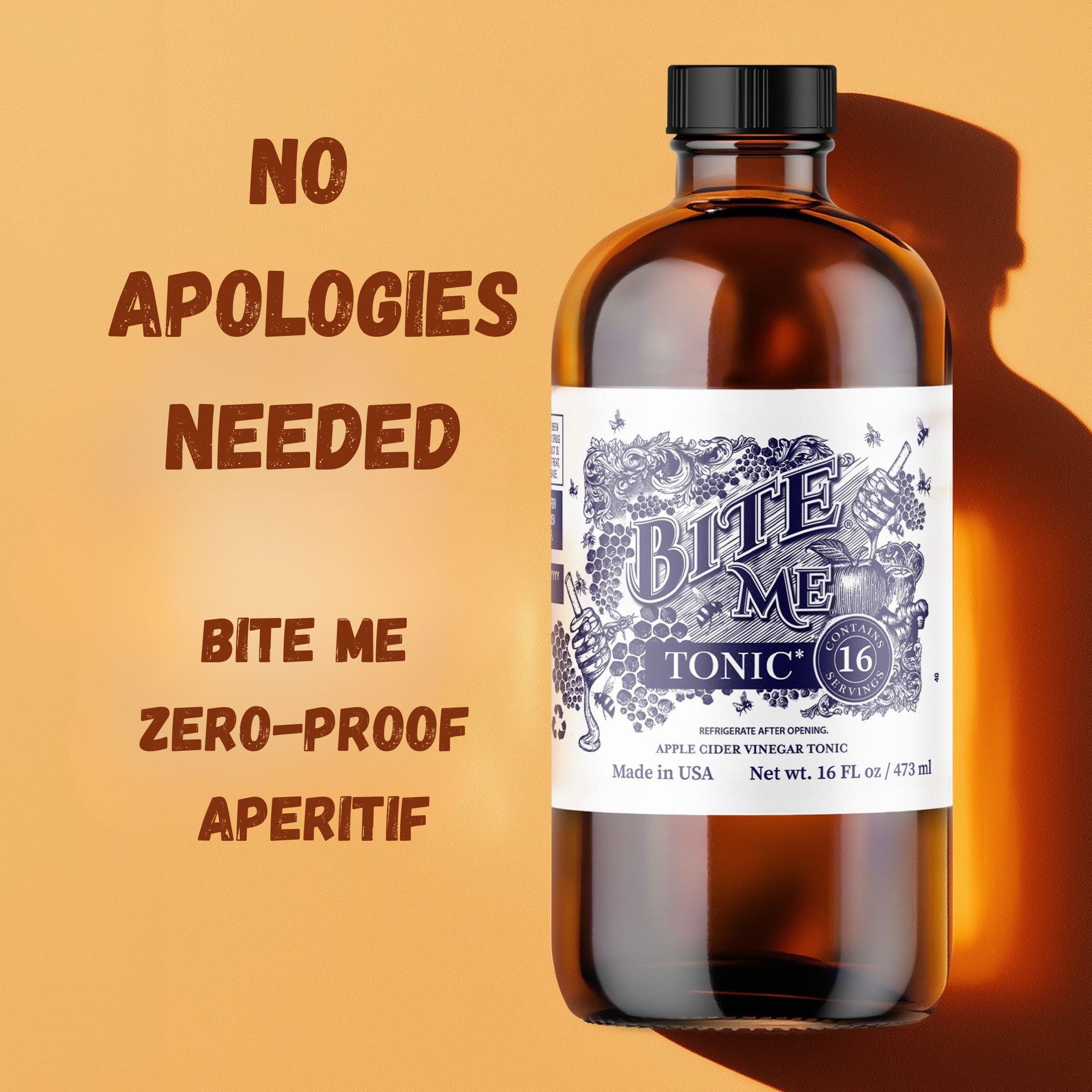
A non-alcoholic aperitif is a bittersweet, flavor-forward drink meant to be sipped before a meal, the way an aperitif traditionally is. Its job is to wake up the palate and make a glass feel like an occasion, without the alcohol. The best ones bring bitterness, citrus, spice and a clean finish that makes you want the next sip. Bite Me Wellness Tonic is built for exactly this moment.
The name "aperitif" matters because it describes a ritual, not just a flavor. People reach for something sharp and sociable around six in the evening, when they want a drink in hand while conversation starts. A good alcohol-free version has to do that same work. It needs enough character to feel deliberate, and enough balance to pair with food rather than overwhelm it.
Many mocktails fail here because they lean on sugar. A glass of sweet juice with a garnish feels like a consolation prize. An aperitif-style drink needs contrast: acidity, a little bitterness, and warmth that lingers after the sip.
What Is a Good Non-Alcoholic Aperitif? Flavor Profiles to Look For
A good non-alcoholic aperitif balances four elements: sweetness, acidity, spice and depth. When one dominates, the drink tastes flat or cloying. When all four work together, the finish feels layered and satisfying.
Look for these profiles when you shop or build your own:
- Bright citrus: lemon, lime or grapefruit that lifts the drink and keeps it fresh.
- Warm spice: ginger, cayenne or black pepper that gives a pleasant bite.
- Rounded sweetness: honey or a gentle botanical sweetness that softens acidity.
- Earthy depth: turmeric or herbal notes that keep the drink from tasting thin.
Bite Me Tonic combines these elements in one concentrate. Manuka honey brings rounded sweetness, ginger adds warmth, citrus delivers the bright finish, and apple cider vinegar provides tang that balances the rest. Each 16 fl oz bottle provides 16 servings, so you can gauge how far a bottle goes when you plan a gathering.
What "Healthy" Actually Means in This Category
This is where most aperitif lists get vague. "Healthy social drinking" is a search phrase, not a nutritional standard, and the two are not the same thing. An alcohol-free drink is not automatically a low-sugar drink, a low-calorie drink, or a better-for-you drink. It is simply a drink without alcohol. Whether it fits your idea of healthy depends on what you are actually trying to manage.
Use these four questions to read any bottle honestly:
1. Where does the sweetness come from? Honey, agave, cane sugar, fruit juice and syrups all contribute sugar, and a drink can taste dry while still carrying a meaningful amount. Check the nutrition panel for total sugars per serving and compare it to what you would otherwise drink. Bite Me contains Manuka honey, so it contributes sugar.
2. What is the serving size? A concentrate is measured in small pours, so the per-serving numbers look different from a ready-to-drink bottle you finish in one go. Compare like with like: sugar and calories per actual drink, not per 100 ml.
3. Does it contain caffeine or stimulating botanicals? Some aperitif-style drinks include coffee, tea, guarana or adaptogens. If you are sensitive to caffeine or drink late in the evening, read the label before you pour a second.
4. Is the alcohol content truly zero? "Non-alcoholic" and "0.0%" are not interchangeable on every label. If you need to avoid alcohol completely, for pregnancy, medication interactions, recovery, or personal preference, look for an explicit 0.0% statement and verify it with the manufacturer if it is unclear.
A note on ingredient traditions. Bite Me started as our grandmother Marion's family recipe, and it is bottled for flavor. Enjoy the drink for its taste and its ritual, and check with your own clinician before making health decisions.
The practical takeaway. The best non-alcoholic aperitif for healthy social drinking is the one whose sweetness, serving size, caffeine content and alcohol statement all match what you are trying to do, and whose flavor makes you want a second glass. Get both right and the drink earns its place in your rotation.
FDA nutrition labeling guidance
Bitter Non Alcoholic Aperitif Styles and How They Drink
Bitterness is what separates an aperitif from a sweet mocktail. Classic aperitifs get their character from bitter botanicals, and many non-alcoholic versions try to capture that edge. Bitter styles tend to suit drinkers who like a dry, complex sip rather than a sugary one.
Bitter styles drink best when they are diluted and paired with something bright. A splash of sparkling water opens the aroma and makes the bitterness refreshing rather than harsh. A little citrus helps too, since acidity tends to make bitter flavors feel cleaner.
Bite Me is not a bitter botanical in the classic sense. Its character comes from apple cider vinegar, ginger and citrus, and it behaves more like a zesty, spiced mixer.
Aperitif-Style Mocktail Recipes to Try at Home
Start with simple builds. The goal is a drink that tastes deliberate without requiring a bar full of equipment.
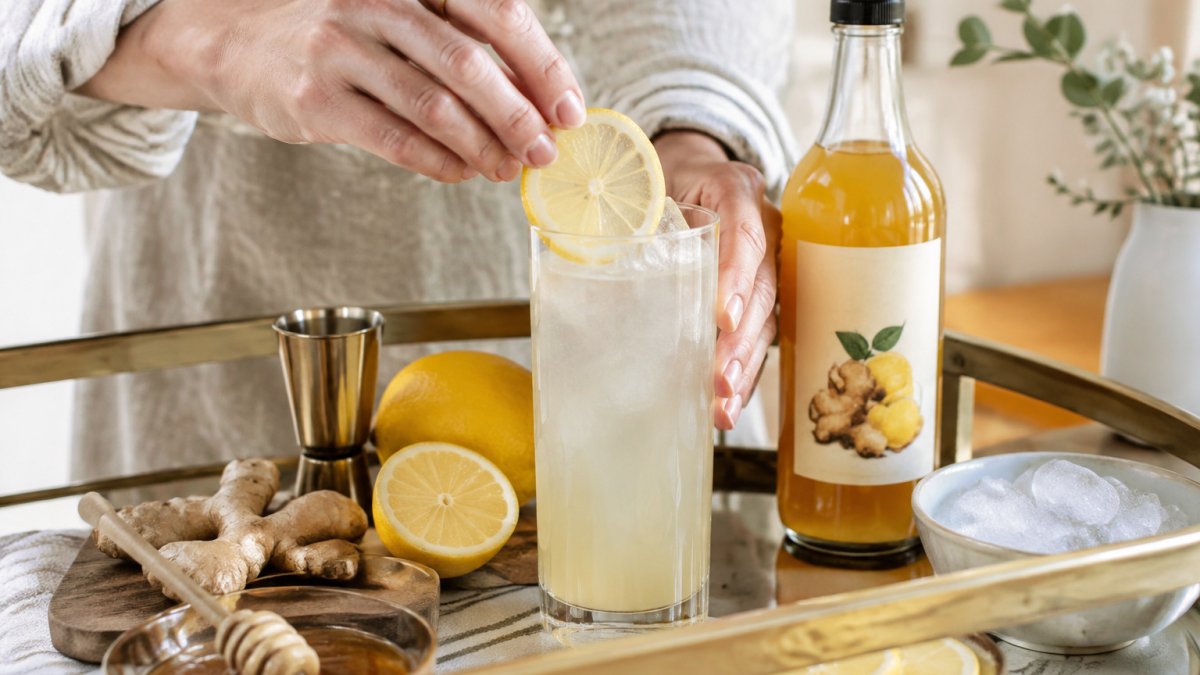
The 30-Second Spritz
- 1 to 2 oz Bite Me Wellness Tonic
- Chilled sparkling water to top
- A citrus wheel and plenty of ice
Pour the concentrate over ice, top with sparkling water, and garnish with a citrus wheel. Taste before adding more tonic, since the concentrate already brings acidity and sweetness.
The Golden Hour
- 1 oz Bite Me Wellness Tonic
- Ginger beer or ginger ale
- A lemon wedge
Ginger ale adds sweetness and reinforces the ginger already in the concentrate. Use less ginger beer if you want a softer, sweeter result.
Check labels on any non-alcoholic mixer you use. "Non-alcoholic" does not always mean 0.0% alcohol, so verify the product if strict abstinence matters to you.
Ginger Citrus Mocktail Pairings and Mixers
Ginger and citrus are natural partners, and Bite Me already contains both. That means a ginger citrus mocktail needs fewer additions to taste complete. Adding extra ginger or lime can push the drink too sharp, so start with less and adjust.
Sparkling water lengthens a drink without adding sweetness, which makes it a good default. Ginger ale or ginger beer adds sweetness and reinforces the ginger, making the drink feel richer. Club soda keeps things dry and lets the citrus lead. Choose based on how sweet you want the final glass to taste.
Ice and glassware also matter. A tall glass filled with ice dilutes the concentrate slowly and keeps the drink cold, which softens the vinegar's sharpness and lets the ginger and honey come forward.
Serving for Social Gatherings and Dinner Hosting
An aperitif works best as a welcome drink. Set out a pitcher or a few bottles before guests arrive, with sparkling water, citrus wheels and ice nearby. Guests can build their own drinks, which makes the offering feel generous rather than fussy.
Plan for about two servings per guest during the first hour, then adjust based on how your group drinks. Because each bottle yields 16 servings, a single bottle can cover a small dinner party's opening round. Keep a second bottle on hand if the gathering runs long.
Pair the drink with food that complements its flavors. Salty snacks, olives, citrus-dressed salads and spiced nuts all play well with ginger and bright acidity. Heavy, creamy appetizers tend to mute the drink, so save them for after the first round.
A quick view of how a single bottle plans out for a gathering, using the figures from the article.
| Detail | Value | Note |
|---|---|---|
| Bottle size | 16 fl oz | Concentrate, not ready-to-drink |
| Servings per bottle | 16 | One bottle opens a small dinner party |
| Servings per guest | About 2 | During the first hour |
| Serving build | 1 to 2 oz | Topped with sparkling water |
| Backup plan | Second bottle | Keep on hand if the gathering runs long |
Choosing Your Next Bottle for the Glass
Most aperitif roundups hand you a list and leave you to guess why one bottle suits you better than another. A short selection framework does more work than a ranking. Run any bottle, including ours, through the five filters below and you will know within a minute whether it fits the way you actually drink.
1. Sweetness level. Aperitif-style drinks range from bone-dry to honeyed. If you usually reach for a dry vermouth or a bitter spritz, look for a mixer with low residual sweetness and let dilution do the rest. If you like a softer edge, a honey- or fruit-based concentrate will feel more complete.
2. Bitterness and bite. Classic aperitifs get their edge from bitter botanicals. Non-alcoholic versions chase that edge in different ways: some use gentian or chinotto extracts, others lean on citrus peel, vinegar or ginger for sharpness. Decide whether you want true bitterness or a bright, tangy kind of bite.
3. Format: concentrate, ready-to-drink, or spirit alternative. This is the filter most lists skip, and it changes everything about cost, shelf life and effort. A concentrate gives you control over strength and dilution but requires mixing. A ready-to-drink bottle is convenient but locks in one ratio.
4. Intended serve. Ask what glass you picture. A spritz drinker needs something that opens up with carbonation. A sour drinker needs acidity that can stand up to citrus and a little sweetness. A neat sipper needs complexity that holds without dilution. Buy for the serve you will actually make most often, not the one you imagine for a party.
5. Ingredient and label check. Read the full ingredient list, not the front label. Note sweeteners (honey, agave, cane sugar, syrups), any caffeine-containing botanicals, and whether the product is a concentrate or ready-to-drink.
Where Bite Me fits. It is a concentrate, so it rewards the drinker who wants to tune the ratio. Each 16 fl oz bottle provides 16 servings, which makes it easy to plan for a dinner party or a week of evening rituals.
Compare cost per serving, not sticker price. Divide the bottle price by the number of servings it yields, and do that math on any two bottles before you commit.
Try before you stock up. Mix two or three drinks at different ratios, note which one you would order again, and only then decide on a larger format. A bottle you understand is worth more than a bottle you admire.
TTB labeling guidance on alcohol content statements
Frequently Asked Questions
What are some non-alcoholic drinks that can help me socialize?
A sparkling, bittersweet mocktail gives you something to hold and sip in the same way a cocktail does. Ginger-forward spritzes and citrus-based sours work well at gatherings because they look like a real drink in the glass. Bite Me Tonic can anchor these serves: one ounce mixed with sparkling water and a citrus wheel makes a simple spritz. Keeping a few mixers on hand lets you adjust sweetness and fizz for different tastes.
What can I drink socially instead of alcohol?
Choose a drink with layers of flavor rather than plain sweetness. Bitter, citrus and spice notes give a glass the complexity people expect from an aperitif. Ginger citrus combinations and spritz-style serves are reliable options. Mixing a concentrate such as Bite Me Tonic with soda water or tonic lets you build a drink at the bar or in the kitchen, and each 16 fl oz bottle provides 16 servings.
How do you serve a non-alcoholic aperitif?
Serve it chilled over plenty of ice in a wide glass, and add a citrus wheel or herb sprig as garnish. Start with about one ounce of concentrate, then top with sparkling water or tonic and taste before adding more. Shake the bottle before pouring. Serving a small bowl of salty snacks alongside keeps the drink feeling like part of an evening ritual rather than an afterthought.
What flavors pair well with a non-alcoholic aperitif?
Citrus, ginger and honey are a natural match for an apple cider vinegar concentrate, because each adds a different layer: brightness, warmth and rounded sweetness. Sparkling water lengthens the drink without adding sugar, while ginger ale adds sweetness and reinforces the ginger. Pair these drinks with salty or fried snacks, cheese and fresh vegetables, which balance the tang and spice.
