
Best Mother Root Tonic Alternatives 2026: Buyer's Guide
Table of Contents
- What Makes a Great Mother Root Alternative?
- Non-Alcoholic Ginger Aperitif: Flavor and Heat Profiles
- Mother Root Cocktail Recipes and How to Adapt Them
- Non-Alcoholic Gin Alternatives: What to Expect
- Non-Alcoholic Drinks for Dry January: Stocking Your Bar
- Taste, Ingredients, and Value: Comparing Mother Root Alternatives
- Where to Buy and What to Look For
- Frequently Asked Questions
Last Updated: October 21, 2026
What Makes a Great Mother Root Alternative?
The best mother root tonic alternatives deliver three things: a real ginger bite, a balanced sweet-tart finish, and a clean ingredient list.
This buyer's guide from Bite Me Wellness Tonic covers how to judge those alternatives without wasting money on bottles that taste thin or syrupy.
The core tension most shoppers miss: a bottle can be alcohol-free and still be a poor aperitif. Sugar, acid, and ginger intensity decide whether a drink works over ice.
Non-Alcoholic Ginger Aperitif: Flavor and Heat Profiles
Ginger heat is the defining trait of a non-alcoholic ginger aperitif, and it varies more between bottles than most shoppers expect. Some land mellow and sweet, closer to ginger ale; others bring a sharp, fiery finish. The difference comes down to how the ginger is processed and how much acid and sugar sit alongside it.
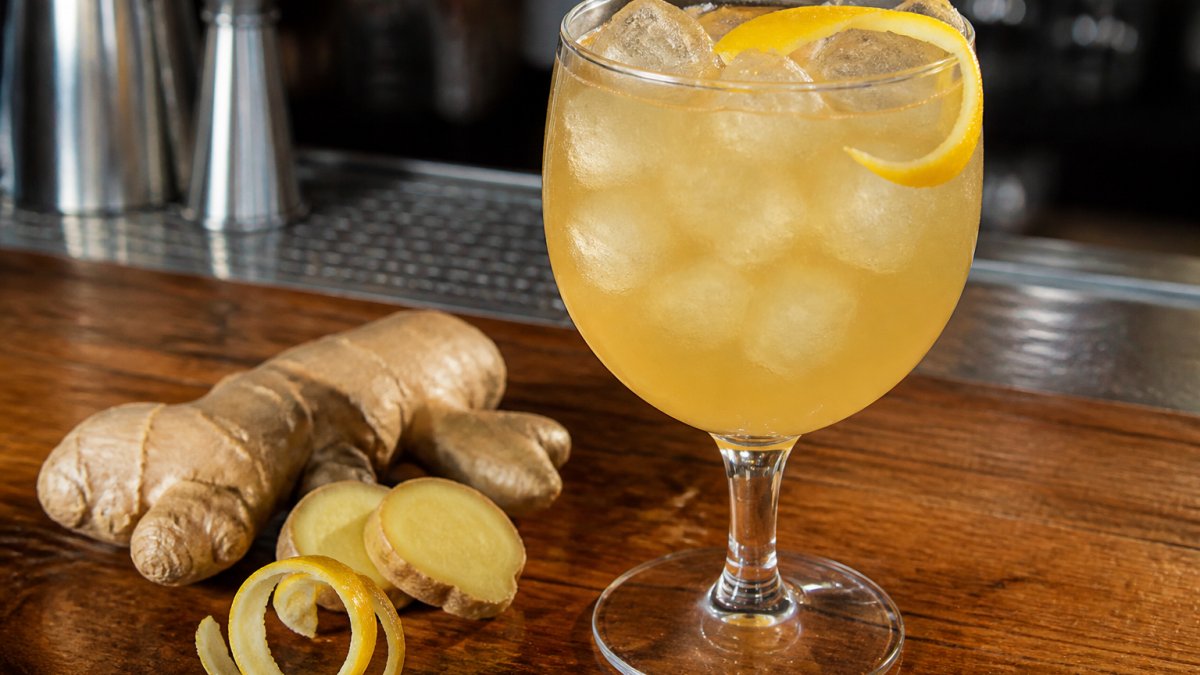
What actually creates ginger heat
Heat comes from gingerols and shogaols, the pungent compounds in fresh ginger root. Cold-pressed or fresh-juiced ginger keeps more of these intact, so bottles listing fresh ginger juice near the top of the ingredient list taste brighter and more zingy.
Acid is the second factor. Apple cider vinegar sharpens the perception of heat by lowering pH and cutting sweetness. High ginger with low acid tastes muddy; high ginger with high acid tastes snappy. That is why vinegar-based shrub aperitifs feel more fiery than sugar-based ginger beers.
A practical heat scale you can taste
Pour a one-ounce sample neat at room temperature and note where it lands:
- Mellow (low heat): the ginger arrives late and fades fast; honey or fruit dominates. Best for sipping neat, topping with soda, or serving to guests who dislike spice.
- Balanced (moderate heat): ginger shows up front, vinegar tartness follows, and the finish is clean. Works in most cocktails and over ice with seltzer.
- Fiery (high heat): ginger hits immediately and lingers; sweetness is low. Needs dilution over ice or a splash of sparkling water, or it overwhelms the palate.
Bottles listing ginger first and vinegar second usually land balanced-to-fiery, while bottles listing water or sugar first land mellow. Ingredient order is a faster read than the front label.
Matching heat to the occasion
Heat level should drive how you serve the bottle, not just whether you like it:
- Pre-dinner aperitif: balanced or fiery, served over ice with seltzer and citrus. The acid and heat wake up the palate.
- All-evening sipping: mellow or balanced, poured over a large ice cube so dilution is gradual.
- Mocktail base: fiery, because mixers and ice will mute it. A mellow bottle disappears in a mixed drink.
- Brunch: balanced, topped with sparkling water or a sparkling wine alternative; fiery bottles clash with lighter food.
The acid and sweetness trade-off
If you dislike the harsh burn of raw apple cider vinegar, look for bottles that blend vinegar with honey or fruit. The acid stays, but the throat-scrape goes. The trade-off is sugar: honey and fruit concentrate soften the vinegar and add grams of sugar per serving. A bottle that tastes smooth neat may carry more sugar than one that tastes sharp. Neither is wrong, but the nutrition panel, not the flavor, tells you which you are buying.
Mother Root Cocktail Recipes and How to Adapt Them
Mother Root's serving suggestions center on simple builds: a measure over ice, topped with sparkling water or seltzer, finished with citrus.
Start with this ratio and adjust: one part aperitif, two parts seltzer, a squeeze of lemon or grapefruit. Pour over plenty of ice. Stir once.
For a mocktail with more body, swap the seltzer for tonic water or add a splash of cranberry.
A common mistake is pouring a shrub-style aperitif neat into a small glass. These drinks are concentrated. Undiluted, the vinegar and ginger overwhelm everything else.
Non-Alcoholic Gin Alternatives: What to Expect
Non-alcoholic gin alternatives are a different category from ginger aperitifs, and mixing them up is the most common buying error.
If you want a gin-style drink, expect a juniper-forward profile that works in a non-alcoholic gin and tonic. If you want the fiery, tart snap of a Mother Root-style aperitif, a gin alternative will disappoint you.
Here is the practical split:
| Drink Type | Dominant Flavor | Best Serve | Suits a Gin Drinker? |
|---|---|---|---|
| Ginger aperitif | Fiery ginger, vinegar tartness | Over ice with seltzer | Sometimes |
| Gin alternative | Juniper, citrus, botanicals | With tonic and lime | Yes |
| Switchel | Ginger, honey, vinegar | Chilled, over ice | Sometimes |
| Wine alternative | Tart fruit, tannin | Chilled in a wine glass | No |
The mouthfeel differs too. Gin alternatives taste thin and aromatic. Aperitifs taste thicker and more syrupy, which is why they need dilution.
Non-Alcoholic Drinks for Dry January: Stocking Your Bar
Stocking a bar for Dry January works best with three bottles, not ten: one ginger aperitif, one gin alternative, and one sparkling mixer. That trio covers a spritz, a mocktail, and a simple over-ice pour. Every bottle should earn its place by covering a drink you will actually make more than once.
Dry January and the sober-curious trend have expanded alcohol-free shelves, but more choice means more bad bottles. A shelf full of options makes it easy to buy three sweet aperitifs that all taste the same and none of which you finish.
Build your bar around roles, not brands
Think in roles so you can swap bottles without rebuilding your whole bar:
- Aperitif: ginger or switchel base for spritzes and pre-dinner pours. Choose balanced or fiery heat so it survives dilution.
- Spirit stand-in: gin or rum alternative for mixed drinks. Juniper-forward for gin drinks, warmer botanicals for rum-style pours.
- Mixer: seltzer, tonic, or sparkling water, always in glass bottles. Glass keeps carbonation sharper and avoids plastic aftertaste.
- Garnish: citrus, fresh herbs, and a jar of cocktail cherries. Garnish is what makes an alcohol-free drink feel intentional rather than like juice.
The serving math that prevents waste
Before you buy three bottles, estimate how many drinks each yields. A 750 ml bottle poured at two ounces per drink gives roughly twelve servings; a 375 ml bottle gives about six. Three small bottles let you test before committing.
Cost per pour matters more than bottle price: divide the bottle cost by the servings you will realistically pour. A larger bottle can cost less per drink, but only if you finish it before it goes flat.
Read the label before the price tag
A warning worth stating plainly: alcohol-free does not mean sugar-free. Many aperitifs carry more sugar than a soft drink. Read the nutrition panel before you buy three bottles at once. Check four things:
- Sugar grams per serving: the only number that matters, not the front-label claims.
- Serving size: a small serving size often hides a high sugar concentration.
- Ginger placement: fresh ginger or ginger juice near the top signals real heat; flavoring lower down signals a flatter drink.
- Vinegar type: apple cider vinegar is the standard for shrub-style aperitifs; other acids change the flavor profile.
Availability and restocking
Availability is the other half of value. A bottle you can only order online in a multi-pack is worth less than one you can restock locally. Specialty grocers, liquor-adjacent retailers, and brand websites carry most of this category, and some sell out seasonally. Before you commit, confirm you can buy a single bottle to try and restock locally. Subscription-only bottles are a poor first purchase.
For anyone managing digestive sensitivities, check for onion and garlic derivatives, which show up in some savory blends. A quick label scan beats a week of discomfort.
If you want a smooth, ready-to-drink option that skips the harsh vinegar burn, Bite Me Wellness Tonic is worth a look. Our blend is crafted for everyday sipping, and you can check current availability and pricing on our site.
Taste, Ingredients, and Value: Comparing Mother Root Alternatives
Comparing the best mother root tonic alternatives comes down to four checks: ingredient order, sugar per serving, acid source, and cost per pour.
Look for these markers on any label:
- Ginger placement: fresh ginger or ginger juice near the top signals real heat
- Vinegar type: apple cider vinegar is the standard for shrub-style aperitifs
- Sweetener: honey, maple, or cane sugar, listed with a gram amount
- Additives: gums and thickeners are common, but they dull the mouthfeel
- Serving size: a small serving size often hides a high sugar concentration
Value per serving matters more than bottle price: divide the bottle cost by the servings listed on the label.
This is where we would point to Bite Me Wellness Tonic as a benchmark for a clean, sippable blend. Ours is made with organic apple cider vinegar, Manuka honey, ginger, and turmeric, and it goes down smooth with no harsh burn.
Where to Buy and What to Look For
Buying guidance is simple: check the label before the price tag, and check availability before you fall in love with a bottle. Some bottles sell out seasonally.
Ask these questions before you commit:
- Does the label list fresh ginger or ginger flavoring?
- What is the sugar in grams per serving?
- Is the serving size realistic for how you will pour it?
- Can you buy a single bottle to try, or only a multi-pack?
- Is the bottle restockable locally or only by subscription?
For anyone managing digestive sensitivities, check for onion and garlic derivatives, which show up in some savory blends. A quick label scan beats a week of discomfort.
If you want a smooth, ready-to-drink option that skips the harsh vinegar burn, Bite Me Wellness Tonic is worth a look.
The hardest part of choosing an alcohol-free aperitif is not finding options, it is finding one you will actually finish.
Frequently Asked Questions
What drinks are similar to Mother Root?
Mother Root is a non-alcoholic ginger aperitif, so similar options include other ginger-based aperitifs and switchels, which combine ginger, apple cider vinegar, and a sweetener like honey. Some brands also offer non-alcoholic gin alternatives with botanical notes. When comparing mother root alternatives, look for a balance of ginger heat, acidity, and sweetness, and check whether the drink is ready to serve or needs mixing. Availability varies by retailer, so buying guidance often starts with the brand's own website.
How do you serve a non-alcoholic ginger aperitif?
Serve it chilled over ice, either neat or mixed with sparkling water or seltzer for a lighter, zippy drink. A citrus twist or a slice of fresh ginger can lift the flavor. For a cocktail-style pour, combine it with a non-alcoholic gin alternative and a splash of tonic. Many people enjoy it as an evening drink or brunch aperitif. Taste and mouthfeel change with dilution, so start with a 1:1 ratio and adjust to your preference.
What should I look for in an alcohol-free aperitif?
Check the ingredient list for natural ingredients like ginger, apple cider vinegar, honey, and chilli, and note the sugar content per serving. Consider the alcohol content (0% ABV is common) and whether the drink is ready to serve or a concentrate. Taste profiles range from fiery and tart to mellow and sweet. Price and value per serving matter if you drink daily. Availability and buying guidance from the brand can help you choose a reliable option.
Is Mother Root a good product?
Mother Root is a well-known non-alcoholic ginger aperitif with a fiery, zingy flavor profile. Whether it is a good product depends on your taste preferences and how you plan to use it. Some people find the ginger heat and vinegar tang refreshing; others prefer a mellower or sweeter drink. When evaluating mother root alternatives, compare ingredients, sugar, and value per serving. Personal taste and intended use, such as mixing in cocktails or drinking over ice, should guide your choice.