
Why Am I Always Feeling Bloated? Causes & Relief
Table of Contents
- What Feeling Bloated Actually Means
- Common Causes of Constant Bloating
- Foods That Cause Bloating Most Often
- How to Reduce Stomach Bloating Naturally
- Track Your Symptoms: A Simple Bloating Journal Template
- When to See a Doctor for Bloating
- Feeling Bloated Every Day: Finding a Routine That Helps
- Conclusion
Last Updated: August 22, 2026
What Feeling Bloated Actually Means
Feeling bloated is more than just discomfort after a big meal. Bloating is the sensation of increased pressure or fullness in the abdomen, often accompanied by visible abdominal distension, gas buildup, and sometimes pain or nausea. It can arrive suddenly or settle in as a near-daily experience that makes waistbands feel tight and energy feel low.
Here at Bite Me Wellness Tonic, we hear this question constantly: "Why am I always feeling bloated, even when I haven't eaten much?" The answer is rarely simple. Chronic bloating is almost always a signal from your digestive system that something in your routine, diet, or physiology needs attention.
Bloating is classified as a form of gastrointestinal distress, and it can stem from gas trapped in the colon, water retention, slow gut motility, food intolerance, or even stress. The tricky part is that two people can eat the same meal and have completely different outcomes. Your gut is genuinely that individual.
Below, we'll walk through the most common causes, the foods that cause bloating most often, and practical strategies for how to reduce stomach bloating naturally. We'll also cover the red flag symptoms that should prompt a medical consultation, and a simple journaling template you can start using today.
Common Causes of Constant Bloating
Persistent bloating rarely has a single cause. Most people who feel bloated every day are dealing with a combination of factors working against them simultaneously.
Swallowing Air and Gut Motility Issues
Aerophagia, or swallowing air, is one of the most underappreciated causes of a bloated stomach. It happens when you eat too fast, chew gum, drink through a straw, or talk while eating. That swallowed air travels into the gastrointestinal tract and creates pressure that feels like bloating.
Slow gut motility compounds the problem. When food moves too slowly through the digestive system, it spends more time fermenting in the colon, producing excess gas. Conditions like irritable bowel syndrome and functional dyspepsia are closely tied to motility issues, and many people live with them for years without a formal diagnosis. According to the National Institute of Diabetes and Digestive and Kidney Diseases, irritable bowel syndrome affects a significant portion of the adult population and is one of the most common reasons people seek gastrointestinal care.
Chronic constipation is another motility-related culprit. When stool backs up in the colon, it leaves less room for gas to pass, which creates that uncomfortable, distended feeling that lingers all day.
Hormonal Fluctuations and Water Retention
For many women, feeling bloated tracks directly with their menstrual cycle. Hormonal fluctuations in the days before menstruation trigger water retention and slow intestinal transit, creating bloating that has nothing to do with what you ate. This is a physiological response, not a digestive failure, though it can be genuinely miserable.
Hormonal shifts during perimenopause and menopause can also alter gut function in ways that make bloating more frequent and harder to predict.
Stress, Anxiety, and Your Gut
This is the connection most guides skip over. The gut and brain communicate through what researchers call the gut-brain axis. When you're under stress or experiencing anxiety, your nervous system directly affects gut motility, digestive enzyme production, and the composition of your gut microbiome. Stress can slow digestion, increase gas sensitivity, and make the gut more reactive to foods that previously caused no problem.
Many people notice their bloating worsens during high-pressure periods at work or after poor sleep. That's not a coincidence. Chronic stress creates a cycle where gastrointestinal distress and anxiety reinforce each other.
Medications That Can Cause Bloating
This angle rarely makes it into general wellness articles. Several common medications are known to cause bloating as a side effect, including:
- Metformin (used for blood sugar management)
- NSAIDs like ibuprofen (can disrupt the gut lining)
- Certain antibiotics (alter the gut microbiome significantly)
- Iron supplements (slow gut transit and cause gas)
- Opioid pain medications (cause severe constipation and bloating)
If you started feeling bloated around the same time you began a new medication, bring it up with your prescribing physician. Dosage adjustments or alternative formulations sometimes resolve the issue entirely.
Foods That Cause Bloating Most Often
Diet is the most obvious place to start, but the relationship between food and bloating is more nuanced than "avoid vegetables."
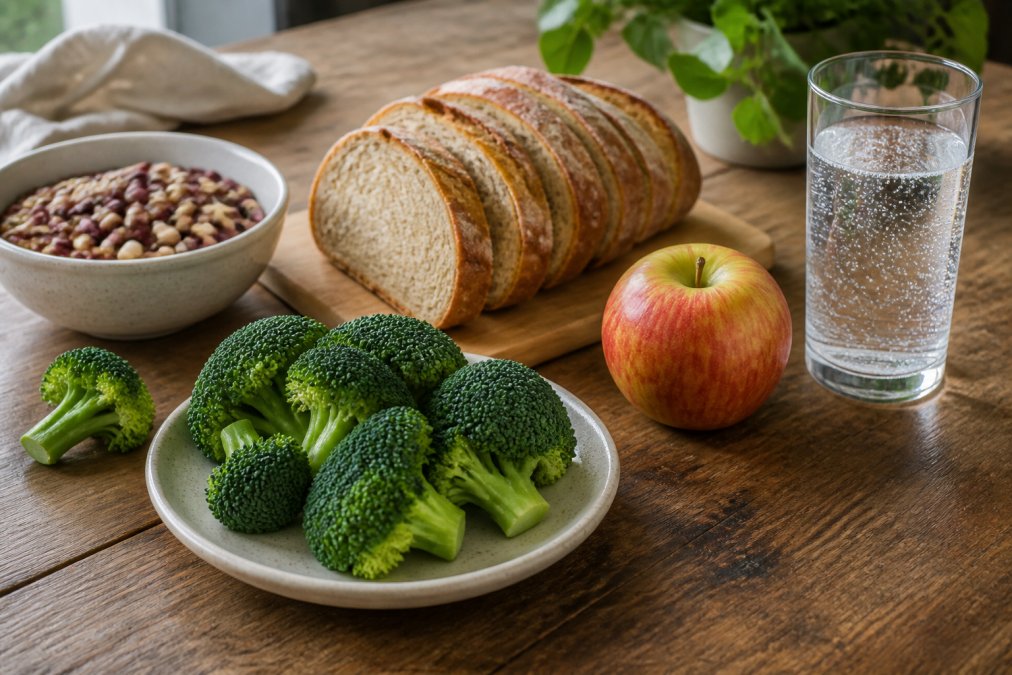
FODMAPs, Lactose, and Fermentable Carbohydrates
FODMAPs are fermentable carbohydrates that the small intestine absorbs poorly. When they reach the colon, gut bacteria ferment them and produce gas. For people with food intolerance or irritable bowel syndrome, this process is dramatically more pronounced.
Common high-FODMAP foods include:
- Onion and garlic (among the highest FODMAP foods)
- Wheat and rye
- Apples, pears, and stone fruits
- Legumes and lentils
- Dairy products containing lactose
Lactose intolerance deserves specific mention. Many adults lose the ability to fully digest lactose as they age, and the result is predictable: gas, abdominal pain, and a bloated stomach within an hour or two of consuming dairy. According to the National Institutes of Health Office of Dietary Supplements, lactose intolerance is extremely common in adults and is often underdiagnosed because symptoms overlap with other digestive conditions.
A low-FODMAP elimination approach, ideally guided by a registered dietitian, is one of the most evidence-supported methods for identifying personal food triggers.
Carbonated Beverages and Artificial Sweeteners
Carbonated beverages introduce carbon dioxide directly into the gastrointestinal tract. Most of it is expelled quickly, but in people with slower gut motility, it lingers and contributes to abdominal distension.
Artificial sweeteners, particularly sorbitol, mannitol, and xylitol, are poorly absorbed and behave similarly to FODMAPs. They're found in sugar-free gum, diet sodas, and many "health" products. If you've cut sugar but still feel bloated, check your labels for these ingredients.
How to Reduce Stomach Bloating Naturally
The most effective approach combines several habits rather than relying on any single fix. Here's what actually moves the needle.
Post-Meal Movement Protocol
Gentle movement after eating is one of the most underused tools for managing a bloated stomach. A short walk of 10 to 15 minutes after meals helps stimulate gut motility and encourages gas to move through the intestinal tract rather than accumulate.
The protocol is simple:
- Finish your meal and wait five minutes before standing
- Take a slow, 10-15 minute walk at a conversational pace
- Avoid lying down for at least 60 to 90 minutes after eating
- For severe bloating, try gentle yoga poses like child's pose or supine twists, which physically encourage gas movement

Mindful Eating and Fiber Adjustments
Eating speed matters more than most people realize. Fast eating increases aerophagia and reduces the time available for early-stage digestion. Slowing down, chewing thoroughly, and avoiding distractions during meals can reduce bloating noticeably within a week.
Fiber intake is a double-edged situation. Too little fiber causes constipation and bloating; too much fiber introduced too quickly also causes bloating. If you're increasing your fiber intake, add it gradually over two to three weeks and ensure adequate hydration alongside it.
Gut Microbiome Support: Probiotics and Digestive Aids
A diverse gut microbiome processes food more efficiently and produces less excess gas. Probiotics, found in fermented foods like yogurt, kefir, kimchi, and sauerkraut, can help restore balance, particularly after antibiotic use or a period of poor diet.
Digestive enzymes are worth exploring if you suspect specific food intolerances. Lactase supplements, for example, can reduce lactose-related bloating significantly.
Ingredients like ginger and apple cider vinegar have long been used to support digestive comfort. Ginger has a well-documented effect on gastric emptying, which means it helps food move through the stomach more efficiently. Bite Me Wellness Tonic combines organic apple cider vinegar with ginger and turmeric in a smooth, drinkable format that avoids the harsh burn most people associate with raw ACV, making it a genuinely palatable daily option for gut support.
Track Your Symptoms: A Simple Bloating Journal Template
Most people who feel bloated every day have never systematically tracked their symptoms. Without a record, patterns are invisible. A simple journal changes that.
Use this template daily for two weeks:
| Date | Meals & Drinks | Symptoms (1-10) | Timing After Eating | Stress Level (1-5) | Notes |
|---|---|---|---|---|---|
| Day 1 | Breakfast: oatmeal, coffee | Bloating: 6 | 30 min after breakfast | 3 | Ate quickly, desk lunch |
| Day 2 | Lunch: sandwich, diet soda | Bloating: 8 | 15 min after lunch | 4 | Carbonated drink, stressful meeting |
| Day 3 | Dinner: pasta, salad | Bloating: 3 | 90 min after dinner | 2 | Walked after meal, relaxed evening |
What to look for after two weeks:
- Foods that appear consistently before high-symptom days
- Whether stress level correlates with bloating severity
- Whether post-meal movement reduces symptom scores
- Time-of-day patterns (morning vs. evening bloating often have different causes)
This kind of tracking gives you and your doctor concrete information rather than vague descriptions. It's the fastest way to identify your personal triggers.
When to See a Doctor for Bloating
Occasional bloating is normal. Feeling bloated every single day, or bloating that disrupts your daily life, warrants a medical consultation. A physician can evaluate whether an underlying condition like irritable bowel syndrome, functional dyspepsia, celiac disease, or small intestinal bacterial overgrowth (SIBO) is driving your symptoms.
Red Flag Symptoms That Need Prompt Evaluation
Some symptoms alongside bloating are not wait-and-see situations. Seek prompt medical evaluation if you experience:
- Unexplained weight loss alongside persistent bloating
- Blood in stool or black, tarry stools
- Severe or worsening abdominal pain that doesn't resolve
- Early satiety, meaning feeling full after just a few bites
- Persistent nausea or vomiting
- Bloating that began suddenly with no clear dietary cause
- Family history of colorectal cancer or inflammatory bowel disease
These are red flag symptoms that can indicate conditions requiring diagnostic evaluation. As noted by the American College of Gastroenterology, persistent or progressive symptoms should always be assessed by a gastroenterologist rather than managed with dietary changes alone.
The distinction matters: lifestyle changes are appropriate for functional bloating, but they are not a substitute for medical evaluation when red flags are present.
Feeling Bloated Every Day: Finding a Routine That Helps
Chronic bloating rarely resolves with one change. The people who see lasting improvement are the ones who build a consistent routine rather than chasing individual remedies.
A practical daily framework looks like this:
- Morning: Start with warm water or a gentle digestive tonic before eating. Avoid rushing through breakfast.
- Meals: Eat slowly, away from screens. Chew thoroughly. Avoid carbonated beverages with food.
- Post-meal: Walk for 10-15 minutes. Avoid lying down immediately.
- Evening: Reflect briefly on your symptom journal. Note what worked and what didn't.
- Weekly: Review your journal for patterns. Adjust one variable at a time.
Consistency over a few weeks reveals more than any single intervention. Many people who feel bloated every day discover that a combination of slowing down at meals, reducing FODMAP-heavy foods, and adding gentle post-meal movement resolves the majority of their symptoms without any medication.
For gut microbiome support as part of that routine, Bite Me Wellness Tonic offers a ready-to-drink option made with organic apple cider vinegar, Manuka honey, ginger, and turmeric. It's designed specifically for people who want the digestive benefits of ACV without the harsh burn, and it contains no onion or garlic, making it appropriate even for those with high sensitivity to those ingredients. The Daily Pour has reviewed it, and it's worth exploring if you're building a daily gut health habit.
The goal is not perfection. It's a routine sustainable enough to follow on a busy Tuesday, not just a slow weekend.
Self-check: 4 [EXTERNAL_LINK:] citations confirmed. 1 markdown table confirmed.
Persistent bloating is one of the most common digestive complaints, and it's also one of the most solvable when you approach it systematically. If you're ready to support your gut health with a daily habit that's actually enjoyable, Bite Me Wellness Tonic was built for exactly that. Made with organic apple cider vinegar, ginger, and Manuka honey in a smooth, palatable formula, it's designed to make consistent gut support something you look forward to. Shop Bite Me Wellness Tonic and start building a routine that works.
Frequently Asked Questions
What are the most common signs of bloating?
The five most recognizable signs are abdominal distension (your belly visibly expanding), a feeling of pressure or fullness in the abdomen, excessive gas or belching, audible gurgling sounds from the gut, and early satiety, feeling full after only a few bites. Some people also experience nausea or mild abdominal pain alongside these symptoms. If you notice these signs daily or they worsen over time, tracking when they occur can help identify your specific triggers.
Can diet changes actually help reduce daily bloating?
Yes, dietary changes are one of the most effective first steps. Reducing high-FODMAP foods, such as onion, garlic, wheat, and certain legumes, often produces noticeable relief within a week or two. Cutting carbonated beverages and artificial sweeteners also helps many people. Increasing fiber gradually rather than all at once prevents the gas buildup that sudden fiber spikes cause. Keeping a food journal for two weeks is the fastest way to pinpoint which specific foods are driving your symptoms.
Why won't my bloated belly go away even when I eat carefully?
Persistent bloating despite dietary changes often points to non-food causes: chronic constipation slowing gut motility, hormonal fluctuations tied to the menstrual cycle, stress raising cortisol and disrupting digestion, or medication side effects. Conditions like irritable bowel syndrome and functional dyspepsia can also cause ongoing abdominal distension. If careful eating hasn't resolved the problem after several weeks, a medical consultation is the right next step to rule out underlying gastrointestinal issues.
When should I see a doctor for chronic bloating?
Schedule a medical evaluation if bloating is persistent and accompanied by any red flag symptoms: unexplained weight loss, blood in stool, severe abdominal pain, fever, or difficulty swallowing. You should also seek care if bloating has lasted more than three weeks without an obvious dietary cause, or if it's disrupting daily life. These symptoms can indicate conditions that require diagnostic evaluation beyond lifestyle adjustments. Early consultation leads to faster answers and more targeted treatment options.
This article was written using GrandRanker