
Easy Natural Immune Support for Kids: 7 Simple Ways
Table of Contents
- Why Kids' Immune Systems Need Extra Support
- Foods That Boost Immune System for Toddlers and Older Kids
- The Gut Health and Immunity for Children Connection
- Simple Daily Habits for Natural Ways to Boost Immune System 2026
- Sleep, Hydration, and Stress: The Overlooked Trio
- Sensory-Friendly Immune Support: Making Remedies Kids Actually Take
- What to Skip: Common Mistakes and Myths
- Conclusion: Building Your Family's Wellness Routine
- Frequently Asked Questions
Last Updated: September 9, 2026
Supporting a child's developing immune system doesn't require a cabinet full of supplements. Easy natural immune support for kids comes down to consistent, simple habits: whole foods, quality sleep, play, and a few targeted additions when seasons change. This guide breaks down seven practical strategies that work without turning your kitchen into a pharmacy.
The most effective approach to immune support for kids is layered. No single food, vitamin, or habit does the heavy lifting alone. Building resilience means stacking several small, sustainable practices that support the body's natural defenses every day.
Why Kids' Immune Systems Need Extra Support
Children are not just small adults when it comes to immunity. Their immune systems are still learning and developing, which is why they seem to catch every bug that circles through school or daycare. This is a normal part of childhood development.
A child's immune response matures through exposure and time. Nutritional deficiencies can slow that process, which is why a balanced diet matters so much during these years. Whole foods provide the vitamins and minerals developing bodies need, including vitamin C, vitamin D, and zinc.
The practical takeaway: focus on what you can control at home. Consistent meals, predictable bedtimes, and outdoor play do more for long-term immune function than any single product.
Foods That Boost Immune System for Toddlers and Older Kids
Whole foods remain the foundation of any natural immune strategy. For toddlers and older kids alike, a balanced diet rich in fruits, vegetables, lean proteins, and whole grains supplies the nutrients that support immune system function.
Prioritize these categories on your weekly menu:
- Vitamin C sources: citrus fruits, strawberries, kiwi, bell peppers, and broccoli
- Vitamin D3: fatty fish, egg yolks, and fortified dairy or plant milks
- Zinc and trace minerals: lean meats, beans, nuts, seeds, and whole grains
- Antioxidant-rich foods: berries, leafy greens, sweet potatoes, and carrots
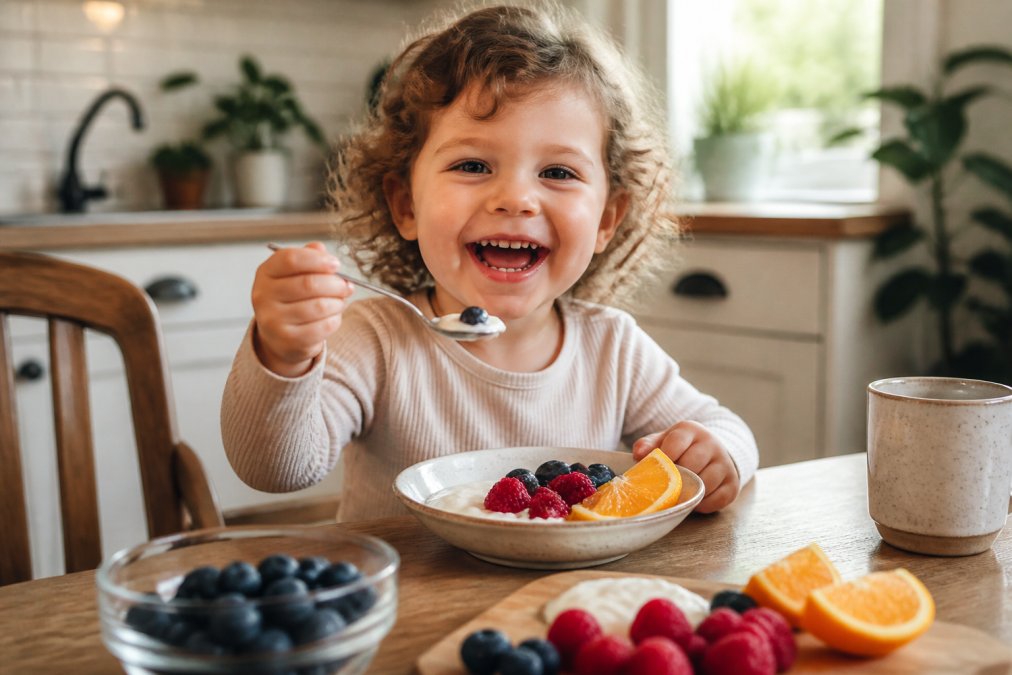
A common mistake is fixating on a single "superfood." Kids eat in patterns, not individual bites. Offering a rainbow of options across the week beats forcing one serving of kale. Smoothies are an easy entry point: blend spinach with banana and berries.
For families with picky eaters, texture and temperature matter as much as nutrition. Some children prefer crunchy raw veggies with dip; others will eat them only roasted or blended into sauces. Meeting your child where they are reduces mealtime stress.
The Gut Health and Immunity for Children Connection
The gut microbiome plays an outsized role in immune response. A healthy gut houses a large portion of the body's immune cells, making gut health and immunity for children closely linked. Supporting digestive health through food is one of the most direct natural ways to influence immune resilience.
Probiotic-rich foods introduce beneficial bacteria, while prebiotic fibers feed the microbes already there. Both matter for maintaining a balanced gut environment.
- Probiotic foods: plain yogurt with live cultures, kefir, and fermented vegetables
- Prebiotic foods: bananas, oats, apples, garlic, and onions
- Fiber sources: beans, lentils, whole grains, and a variety of vegetables
Many families find that a daily wellness tonic supports this connection. Bite Me Wellness Tonic combines organic apple cider vinegar, Manuka honey, ginger, and turmeric in a smooth, palatable drink. The organic apple cider vinegar supports digestion while the Manuka honey and ginger offer a gentle, natural way to support immune health without the harsh taste.

Simple Daily Habits for Natural Ways to Boost Immune System 2026
Beyond food, daily habits shape immune resilience more than most parents realize. The natural ways to boost immune system in 2026 remain refreshingly low-tech: consistent routines that reduce stress and support the body's daily cycles.
Build these five habits into your family's rhythm:
- Morning sunlight: Ten minutes of outdoor light helps regulate sleep-wake cycles
- Regular meal times: Consistent eating schedules support digestion and nutrient absorption
- Daily movement: Active play, not structured exercise, is what kids need most
- Handwashing: Simple hygiene remains a first line of defense against common illnesses
- Outdoor time: Fresh air and nature exposure support both mood and immune function
Physical activity deserves special attention. Active kids tend to have better sleep quality and lower stress levels, both of which support immune response. The goal is simply to get kids moving daily, whether through organized sports, playground time, or family walks after dinner.
Sleep, Hydration, and Stress: The Overlooked Trio
Sleep, hydration, and emotional well-being are the pillars that determine how well the food and habits you build translate into a resilient immune system. Skimping on any of these actively undermines the benefits of a perfect diet.
Sleep: The Non-Negotiable Foundation
Sleep is when the body performs its most critical immune functions, including the release of cytokines, proteins that help regulate the immune response. A chronic lack of sleep can reduce the production of these protective cells.
Age-Specific Targets:
- Toddlers (1-2 years): 11-14 hours of sleep per 24 hours, including naps.
- Preschoolers (3-5 years): 10-13 hours per 24 hours, including naps.
- School-age (6-12 years): 9-12 hours per night.
- Teenagers (13-18 years): 8-10 hours per night.
The Real-World Problem: The biggest threat to these targets isn't a child refusing to sleep; it's the family schedule. The goal isn't perfection but consistency. A predictable wind-down routine, dim lights, a warm bath, and reading together, signals the body to produce melatonin.
A Practical Troubleshooting Guide:
- The 'Second Wind' Problem: If your child gets a burst of energy at bedtime, they are likely overtired. Cortisol spikes when a child is exhausted, making it harder to fall asleep. Move bedtime 15-30 minutes earlier.
- The Early Riser: If your child wakes before 6:00 AM, ensure the room is completely dark. Even a sliver of light can disrupt melatonin production.
- The 'I'm Not Tired' Claim: This is often a sign of insufficient physical activity or excessive screen time. Blue light suppresses melatonin, so aim to have all screens off at least one hour before bedtime.
Hydration: More Than Just Drinking Water
Hydration is critical because it maintains the health of mucus membranes in the nose and throat. These membranes are a physical first line of defense, trapping pathogens. When a child is mildly dehydrated, these membranes dry out and become less effective.
How Much is Enough? A general guideline is to aim for about 4-6 cups of water per day for school-age children, but this varies with activity level and climate. A better indicator is urine color: pale yellow means well-hydrated; dark yellow or amber means they need more fluids.
The Challenge: Many kids simply don't like the taste of plain water, or they forget to drink when they're busy playing. Here are strategies that work:
- Infuse It: Add slices of cucumber, strawberry, or orange to a water pitcher.
- Make it a Game: Use a marked water bottle with time-based goals.
- Eat Your Water: Watermelon, cantaloupe, cucumbers, and celery are excellent sources of hydration that also provide vitamins.
Stress: The Hidden Immune Suppressor
Children experience stress from school pressures, social dynamics, and family changes. When stress becomes chronic, the body produces cortisol, a hormone that, in high levels, suppresses immune function. This is why kids often get sick after a stressful event.
Recognizing Stress in Kids: It doesn't always look like anxiety. In children, stress can manifest as irritability, difficulty concentrating, stomach aches, changes in sleep, or clinginess.
Simple, Effective Stress Relief:
- Unstructured Play: This is a biological need. Free play allows children to process emotions and burn off nervous energy. Aim for at least 30-60 minutes daily.
- The 'Worry Time' Technique: For school-age kids, set aside 10 minutes each day to talk about worries. This prevents it from spilling into bedtime.
- Deep Breathing: Teach 'balloon breathing', inhale deeply through the nose, filling the belly like a balloon, and exhale slowly through the mouth. This activates the parasympathetic nervous system.
Sensory-Friendly Immune Support: Making Remedies Kids Actually Take
The best remedy in the world is useless if a child refuses to take it. Many natural wellness products fail because they taste bitter, smell medicinal, or have an unpleasant texture. Sensory-friendly immune support means finding options children will accept willingly.
Start with the senses that matter most to kids: taste and smell. Bitter or vinegar-forward products often trigger an immediate rejection response. Options that taste sweet or mildly spicy tend to fare better.
Bite Me Wellness Tonic was designed with this challenge in mind. The blend of Manuka honey, ginger, and turmeric creates a smooth, sweet-tart flavor profile that masks the harshness typically associated with apple cider vinegar.
For a family-friendly option, the 2-pack provides a full month supply of 32 daily shots.
What to Skip: Common Mistakes and Myths
The wellness industry is full of products and advice that sound logical but don't hold up to scientific scrutiny. This section debunks specific myths with evidence-based reasoning, helping you focus your energy on what actually works.
Myth #1: You Can 'Boost' a Child's Immune System
The language of 'boosting' is pervasive, but it's fundamentally flawed. A child's immune system is a complex, balanced network. 'Boosting' it implies making it work harder, which is not what you want. An overactive immune response is what causes allergies and autoimmune conditions. The goal is to support the system so it functions optimally.
Myth #2: 'Natural' Always Means Safe
This is a dangerous assumption. Many natural substances are potent and can be harmful in the wrong doses or in combination with other medications. High doses of oil-soluble vitamins like A, D, and E can accumulate in the body and become toxic. The 'natural' label is a marketing term, not a safety guarantee. Always check with a pediatrician before introducing any new supplement.
The Real Problem with 'Immune-Boosting' Gummies
Many commercial gummy vitamins are a double-edged sword. While they may contain vitamins, they are often loaded with added sugar or artificial sweeteners. High sugar intake can suppress immune cell function for hours after consumption. If you use a gummy supplement, look for options with less than 2-3 grams of sugar per serving. Better yet, prioritize whole food sources of vitamins.
The Antibiotic Overuse Trap
Antibiotics are life-saving for bacterial infections, but they are ineffective against viruses, which cause the vast majority of childhood illnesses. Overuse of antibiotics can disrupt the gut microbiome, killing off beneficial bacteria that play a critical role in immune regulation. Trust your pediatrician's judgment. If they say it's viral, the best course of action is supportive care, rest, fluids, and time.
The 'More is Better' Fallacy
When a child gets sick, the instinct is to throw everything at the illness. But mega-dosing on supplements like vitamin C or zinc has not been shown to prevent illness and can cause side effects like digestive upset. The evidence shows that consistent, daily intake of nutrients from food is far more effective than high-dose, short-term 'pulse' dosing.
The 'Detox' Myth
Children do not need to be 'detoxed.' Their bodies have sophisticated systems, the liver and kidneys, that are constantly filtering and eliminating waste products. There is no scientific evidence that any 'detox' tea, cleanse, or supplement enhances this natural process. The best 'detox' is a healthy diet rich in fiber.
Conclusion: Building Your Family's Wellness Routine
Building easy natural immune support for kids is less about perfection and more about consistency. Start with the foods your family already enjoys, add a few targeted habits around sleep and movement, and find remedies your children will actually accept.
For families looking for a convenient addition to their wellness routine, Bite Me Wellness Tonic offers a ready-made option. The organic apple cider vinegar, Manuka honey, ginger, and turmeric blend supports both gut health and immune function in a single daily shot. No mixing, no mess, and no bitter aftertaste.
Get started with Bite Me Wellness Tonic and give your family a daily ritual that supports wellness from the inside out.
Frequently Asked Questions
How do I boost my child's immune system naturally?
Focus on daily habits rather than quick fixes. Serve a balanced diet rich in fruits, vegetables, and whole grains, prioritize consistent sleep schedules, and encourage regular physical activity. Managing stress through downtime and connection also supports immune function. For targeted support, consider adding a daily tonic with organic ingredients like apple cider vinegar, Manuka honey, and ginger, which many parents find easier than making homemade remedies from scratch.
What are the best foods that boost immune system for toddlers?
Toddlers need nutrient-dense foods they will actually eat. Offer yogurt or kefir for probiotics, berries for antioxidants, eggs for protein, and sweet potatoes for vitamin A. Citrus fruits like oranges and mandarins provide vitamin C, while fortified cereals and fatty fish offer vitamin D. Serve these foods in small, fun portions with dips or smoothies to increase acceptance. Pairing new foods with familiar favorites helps toddlers try them without a fight.
What is the connection between gut health and immunity for children?
A large portion of the immune system lives in the digestive tract, so a healthy gut microbiome directly supports immune response. Foods rich in fiber, like oats and beans, feed beneficial bacteria, while fermented foods like yogurt introduce probiotics. Limiting processed sugar helps maintain a balanced gut environment. For busy parents, a wellness tonic with organic apple cider vinegar and ginger can offer convenient gut support without the harsh taste kids often reject.
Are there natural ways to boost immune system 2026 that actually work?
Yes, but consistency matters more than any single product. The most effective natural approaches remain adequate sleep, regular physical activity, stress management, and a whole-food diet. Newer research continues to highlight the importance of vitamin D and gut health. For extra support, look for products with real, organic ingredients like Manuka honey and turmeric. Avoid anything with artificial sweeteners or fillers, which can undermine the benefits.
How can I make immune support remedies taste good for picky kids?
Texture and temperature make a big difference. Cold foods like smoothies or frozen yogurt bites mask strong flavors. Mixing remedies into applesauce, oatmeal, or honey-lemon water can help. If your child rejects homemade tonics, try a ready-made option like Bite Me Wellness Tonic. Start with a small sip and praise the effort.
This article is for informational purposes only and is not intended to diagnose, treat, cure, or prevent any disease. Always consult with a pediatrician before introducing new supplements or making significant changes to your child's diet or wellness routine.