
Is Manuka Honey Worth the Price for Health? 2026 Guide
Table of Contents
- Manuka Honey's Price Tag: What Are You Actually Paying For?
- UMF vs MGO Rating Explained: Why the Numbers Matter
- The Science of Methylglyoxal: Antibacterial and Wound Healing Properties
- Benefits of Manuka Honey for Digestion and Gut Health
- How to Use Manuka Honey for Wellness: Dosage and Methods
- Spotting Fakes: How to Verify Authentic Manuka Honey
- The Verdict: Is It Worth the Premium for Your Health Goals?
- Conclusion
- Frequently Asked Questions
Last Updated: September 5, 2026
Manuka Honey's Price Tag: What Are You Actually Paying For?
Few pantry staples command a premium quite like Manuka honey. A single jar can cost several times more than the finest raw wildflower honey, which makes shoppers wonder whether is manuka honey worth the price for health or just clever marketing. The answer, as with most premium foods, depends entirely on what you are buying and why.
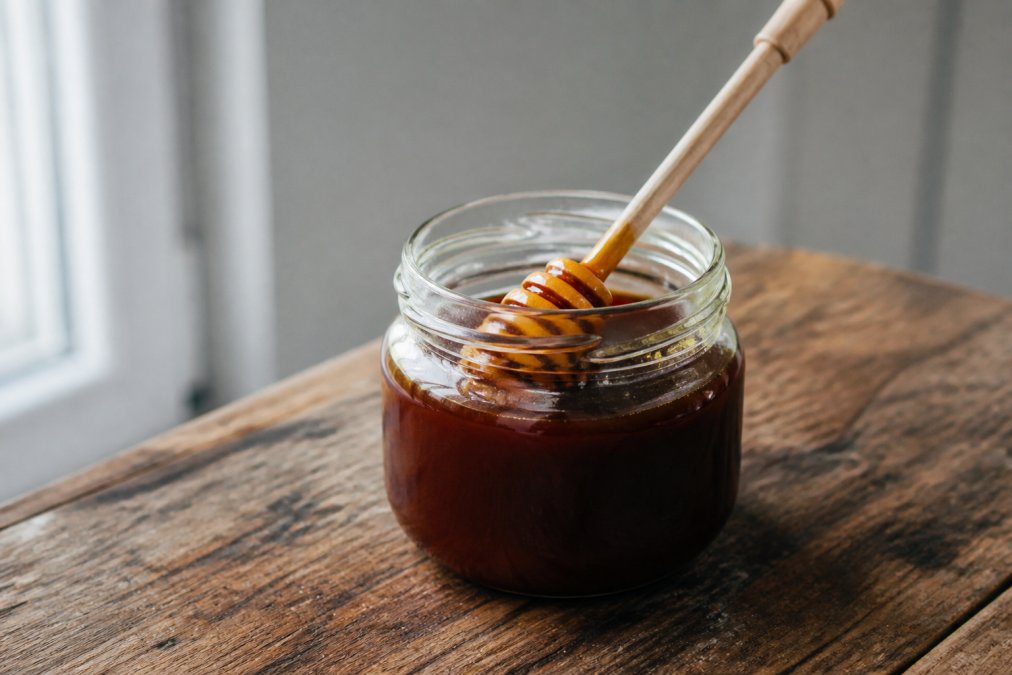
Manuka honey is a monofloral honey produced primarily from the nectar of the Leptospermum scoparium bush, native to New Zealand. What separates it from everyday honey is a compound called methylglyoxal, which forms naturally during the honey's maturation process. At Bite Me Wellness Tonic, we've studied these distinctions closely because we craft our wellness tonic around real Manuka honey alongside organic apple cider vinegar, ginger, and turmeric.
The price reflects rarity, certification, and measurable bioactivity. However, not every jar labeled "Manuka" delivers the same therapeutic value. Understanding what you are paying for is the first step toward deciding if the premium is justified for your health goals.
UMF vs MGO Rating Explained: Why the Numbers Matter
Navigating Manuka honey labels often feels like decoding a secret language. The two main rating systems, UMF and MGO, are frequently mentioned but rarely explained in a way that helps you decide which jar to buy. This guide bridges that gap by translating those numbers into a practical buyer's checklist.
MGO (Methylglyoxal) is a direct measurement of the key antibacterial compound's concentration, expressed in milligrams per kilogram (mg/kg). A jar labeled MGO 400+ guarantees at least 400 mg/kg of methylglyoxal.
UMF (Unique Manuka Factor) is a more holistic certification. It measures MGO but also verifies the presence of other signature compounds like leptosperin and DHA, which are unique to Manuka honey. This makes UMF a more robust indicator of authenticity, as it's harder to fake.
A common point of confusion is the correlation between the two. While there is a general relationship, it's not perfectly linear. A UMF 10+ typically corresponds to an MGO of 263+, and UMF 15+ is roughly MGO 514+. However, a jar might have high MGO but fail to meet UMF standards if it lacks the other marker compounds, signaling a potential counterfeit.
A Buyer's Guide to Manuka Grades
The 'right' grade depends entirely on your intended use. This table provides a practical framework for matching a grade to a goal, moving beyond simple potency comparisons.
| Intended Use | Recommended Grade (MGO/UMF) | Why This Grade? | Practical Example |
|---|---|---|---|
| Daily Culinary Use (sweetener in tea, on toast) | MGO 100+ / UMF 5+ | Provides a subtle Manuka flavor and basic antioxidant properties without the high cost. | A jar for everyday use that won't break the bank. |
| General Wellness & Immune Support (daily teaspoon) | MGO 250+ / UMF 10+ | This is the most common 'sweet spot' for daily consumption, offering a meaningful level of bioactivity for general well-being. | A daily spoonful to support your routine during cold and flu season. |
| Targeted Therapeutic Support (sore throat, digestive discomfort) | MGO 400+ / UMF 15+ | A higher concentration of methylglyoxal is often sought for more specific, short-term support. | Taking a spoonful to soothe a persistent, minor sore throat. |
| Clinical / Wound Care (topical application) | MGO 550+ / UMF 20+ | This is the grade used in medical-grade dressings. It's far too potent and expensive for daily consumption. | Using a medical-grade honey product on a minor cut or scrape. |
Understanding this grading system is the first step in determining if the premium is justified. For a daily sweetener, a lower grade is a reasonable choice. But if you are seeking targeted support, the higher, certified grades are where the value proposition becomes clearer.
The Science of Methylglyoxal: Antibacterial and Wound Healing Properties
Methylglyoxal is the bioactive compound responsible for Manuka honey's distinctive antibacterial activity. Unlike regular honey, which relies on hydrogen peroxide that breaks down quickly, methylglyoxal provides what researchers call non-peroxide activity. This stability makes it effective against a broader range of bacteria, including strains that have developed resistance to conventional treatments.
Clinical applications focus primarily on wound healing. Medical-grade Manuka honey dressings are used in hospitals for chronic wounds and burns because the honey maintains a moist environment while inhibiting bacterial growth. The anti-inflammatory properties also help reduce swelling and promote tissue regeneration.
For everyday health, this translates to potential support for minor cuts, scrapes, and skin irritations. The antibacterial properties of Manuka honey are well documented in clinical literature, with research available through the National Institutes of Health's database of peer-reviewed studies. What matters for consumers is recognizing that the therapeutic grade used in clinical settings is far more concentrated than grocery store varieties.
Benefits of Manuka Honey for Digestion and Gut Health
The benefits of manuka honey for digestion center on its prebiotic potential and soothing properties. Raw honey contains natural enzymes and compounds that may help balance gut bacteria when consumed regularly. Methylglyoxal's antibacterial action appears selective, targeting harmful pathogens while leaving beneficial flora relatively undisturbed.
Many people incorporate Manuka honey into their morning routine to address occasional bloating or digestive discomfort. A common approach is taking a teaspoon on an empty stomach or stirring it into warm water with lemon. The honey's thick, coating texture can also provide soothing relief for mild throat irritation that often accompanies digestive upset.
For those seeking convenient gut support, Bite Me Wellness Tonic combines Manuka honey with organic apple cider vinegar, ginger, and turmeric in a ready-to-drink format. This delivers digestive benefits without the harsh burn of straight vinegar shots, making daily consistency far easier to maintain.
How to Use Manuka Honey for Wellness: Dosage and Methods
Using Manuka honey for wellness is straightforward, but consistency matters more than quantity. A typical daily serving is one to two teaspoons. Taking more does not amplify benefits proportionally, and the sugar content adds up quickly.
Here are practical ways to incorporate it:
- Take one teaspoon directly each morning before breakfast
- Stir into warm water with lemon as a soothing drink
- Spread on whole grain toast instead of processed jams
- Add to plain yogurt or oatmeal for a natural sweetener
- Mix into herbal tea once it has cooled to preserve bioactive compounds
One caution: avoid adding Manuka honey to boiling liquids. High heat can degrade methylglyoxal and reduce its potency. Let tea or coffee cool to a drinkable temperature before stirring in honey.
Spotting Fakes: How to Verify Authentic Manuka Honey
Counterfeit Manuka honey is a genuine concern in the global market. The premium price creates strong incentive for adulteration, with some products blending regular honey with synthetic methylglyoxal or mislabeling low-grade honey as therapeutic grade.
The most reliable verification is the UMF certification mark. The Unique Manuka Factor Honey Association licenses producers who pass rigorous testing for the signature chemical markers that distinguish authentic Manuka honey. This includes the official UMF Honey Association certification standards, which require traceability from hive to jar.
Look for these indicators of authenticity:
- A UMF or MGO rating printed clearly on the label
- A batch number that can be traced to the source
- Certification from UMFHA or a recognized independent testing body
- Origin information specifying New Zealand
Be wary of bargain-priced "Manuka" honey that lacks certification details. Authentic UMF 10+ honey requires significant land, labor, and testing investment, so prices far below market averages should raise red flags.
The Verdict: Is It Worth the Premium for Your Health Goals?
The most direct way to answer the 'worth it' question is to move beyond the jar price and analyze the cost per serving. This reframing provides a logical framework for your decision.
The Cost-Per-Use Analysis
Let's break down the cost of a typical jar of certified UMF 10+ Manuka honey. While pricing depends on quantity, dates, and delivery, a standard 8.8 oz (250g) jar often retails at a premium. For this analysis, we'll use a hypothetical mid-point price.
A single teaspoon of honey weighs approximately 7 grams. This means a 250g jar contains roughly 35 teaspoons.
- Scenario 1: Daily Wellness (1 tsp/day) - At one teaspoon per day, a jar lasts about five weeks. This translates to a cost that is comparable to a daily specialty supplement or a premium cup of coffee.
- Scenario 2: Targeted Support (2 tsp/day) - If you increase your intake to two teaspoons daily for a short period (e.g., during cold season), the jar lasts about 2.5 weeks. The cost is still less than many single-use throat lozenges or digestive remedies purchased over the counter.
Comparing the Value
Now, compare this daily cost to the alternatives. A single specialty throat lozenge can cost $0.50 or more, and a bottle of a popular digestive supplement can easily run $20-$30 for a month's supply. When you frame it this way, the daily cost of high-grade Manuka honey is often competitive with, or even less than, the products it might replace.
However, the value proposition is not uniform. For a person who simply wants a natural sweetener for their tea, the daily cost is a poor value compared to a jar of raw local honey that lasts three times as long. The premium is only justified when you are seeking the specific, measurable benefits associated with the methylglyoxal content.
The Verdict
- For daily culinary use or general sweetness: The premium is not worth it. A high-quality raw honey provides similar flavor and basic antioxidant benefits at a fraction of the cost.
- For targeted wellness support (sore throat, digestive comfort): The premium can be worth it. The cost-per-use analysis shows it is comparable to other functional remedies, and the unique bioactive compounds offer a distinct advantage.
- For clinical, topical applications: The premium is justified only when using medical-grade products under professional guidance.
The key is to match the product to the purpose. By understanding the grading system and analyzing the cost per serving, you can make an informed choice that aligns with both your health goals and your budget.
Conclusion
Manuka honey is a legitimate functional food with documented antibacterial and digestive benefits. Whether it is worth the price comes down to your health priorities and how you plan to use it. For targeted therapeutic applications, certified UMF 10+ honey justifies the investment. For general sweetness, save your money.
The smartest approach is matching the product to the purpose. If you want consistent daily gut support without managing multiple ingredients, a wellness tonic that combines Manuka honey with complementary botanicals delivers practical value. Get started with Bite Me Wellness Tonic and make your daily wellness routine something you actually look forward to.
=== FAQ ANSWERS (ARTICLE CONTENT, AUDIT EACH ONE SEPARATELY, SAME RULES) ===
[1] Q: Is there a downside to Manuka honey? A: The main downside is cost, but there are also practical concerns. Authentic Manuka honey is significantly more expensive than regular honey. It also contains natural sugars, so moderation is key, especially for those managing blood sugar levels. The taste is stronger and earthier than standard honey, which some find off-putting. Finally, the market is full of counterfeit products, making it difficult to know if you are getting genuine Manuka honey without buying from a trusted source that provides clear UMF or MGO ratings.
[2] Q: Is Manuka honey really worth the hype for immune support? A: The hype is tied to methylglyoxal (MGO), a compound with documented antibacterial and anti-inflammatory properties in lab studies. While this suggests potential for supporting immune function, clinical evidence in humans is still developing. Manuka honey can be a valuable part of a wellness routine, but it is not a substitute for proven preventive measures like vaccination and a balanced diet. It is best viewed as a complementary aid, not a cure-all.
[3] Q: How do you verify the authenticity of Manuka honey? A: Look for a UMF or MGO rating printed on the label, issued by a recognized certification body. The UMF rating measures unique Manuka factors, while MGO measures methylglyoxal levels. Check that the label includes the scientific name Leptospermum scoparium and a traceability code. Be wary of honey that is cheap or lacks these markers, as the market has significant counterfeit issues. Buying from reputable brands that provide lab test results is the safest way to ensure you are getting real product.
[4] Q: What do UMF and MGO ratings actually mean for quality? A: Both ratings measure potency, but they look at different markers. MGO directly measures the methylglyoxal content, which is the key antibacterial compound. UMF is a broader measure that includes MGO plus other unique Manuka compounds, ensuring a more comprehensive quality check. A high UMF rating (like 15+) generally indicates a high MGO level. For daily wellness use, a lower rating (UMF 10+ or MGO 100+) is often sufficient and more affordable.
[5] Q: Can you eat a spoonful of Manuka honey every day? A: Yes, a daily spoonful is a common way to use Manuka honey for wellness. A typical serving is about one teaspoon to one tablespoon. It can be eaten directly or stirred into warm water, tea, or oatmeal. Since it is high in natural sugars, it is best to treat it as a sweetener and consume it in moderation as part of a balanced diet. Daily use is generally safe for adults, but you should consult a doctor if you have blood sugar concerns.
[6] Q: Do you need to refrigerate Manuka honey after opening? A: No, you should not refrigerate Manuka honey. Storing it in the fridge can accelerate crystallization, making it thick and difficult to use. To preserve its quality, keep the jar tightly sealed in a cool, dry place away from direct sunlight, similar to regular honey. Proper storage helps maintain its enzymes and antibacterial properties. If it does crystallize, you can gently warm the jar in a bowl of warm water to return it to a liquid state.
Frequently Asked Questions
Is there a downside to Manuka honey?
The main downside is cost, but there are also practical concerns. Authentic Manuka honey is significantly more expensive than regular honey. It also contains natural sugars, so moderation is key, especially for those managing blood sugar levels. The taste is stronger and earthier than standard honey, which some find off-putting. Finally, the market is full of counterfeit products, making it difficult to know if you are getting genuine Manuka honey without buying from a trusted source that provides clear UMF or MGO ratings.
Is Manuka honey really worth the hype for immune support?
The hype is tied to methylglyoxal (MGO), a compound with documented antibacterial and anti-inflammatory properties in lab studies. While this suggests potential for supporting immune function, clinical evidence in humans is still developing. Manuka honey can be a valuable part of a wellness routine, but it is not a substitute for proven preventive measures like vaccination and a balanced diet. It is best viewed as a complementary aid, not a cure-all.
How do you verify the authenticity of Manuka honey?
Look for a UMF or MGO rating printed on the label, issued by a recognized certification body. The UMF rating measures unique Manuka factors, while MGO measures methylglyoxal levels. Check that the label includes the scientific name Leptospermum scoparium and a traceability code. Be wary of honey that is cheap or lacks these markers, as the market has significant counterfeit issues. Buying from reputable brands that provide lab test results is the safest way to ensure you are getting real product.
What do UMF and MGO ratings actually mean for quality?
Both ratings measure potency, but they look at different markers. MGO directly measures the methylglyoxal content, which is the key antibacterial compound. UMF is a broader measure that includes MGO plus other unique Manuka compounds, ensuring a more comprehensive quality check. A high UMF rating (like 15+) generally indicates a high MGO level. For daily wellness use, a lower rating (UMF 10+ or MGO 100+) is often sufficient and more affordable.
Can you eat a spoonful of Manuka honey every day?
Yes, a daily spoonful is a common way to use Manuka honey for wellness. A typical serving is about one teaspoon to one tablespoon. It can be eaten directly or stirred into warm water, tea, or oatmeal. Since it is high in natural sugars, it is best to treat it as a sweetener and consume it in moderation as part of a balanced diet. Daily use is generally safe for adults, but you should consult a doctor if you have blood sugar concerns.
Do you need to refrigerate Manuka honey after opening?
No, you should not refrigerate Manuka honey. Storing it in the fridge can accelerate crystallization, making it thick and difficult to use. To preserve its quality, keep the jar tightly sealed in a cool, dry place away from direct sunlight, similar to regular honey. Proper storage helps maintain its enzymes and antibacterial properties. If it does crystallize, you can gently warm the jar in a bowl of warm water to return it to a liquid state.
This article was written using GrandRanker