
Natural Remedies for Chronic Inflammation: 2026 Guide
Table of Contents
- Natural Remedies for Chronic Inflammation: What Actually Helps
- Signs of Chronic Inflammation You Should Not Ignore
- Anti-Inflammatory Foods: What to Put on Your Plate
- Anti-Inflammatory Herbs and Spices That Earn Their Place
- Anti-Inflammatory Drinks You Can Make at Home
- Building a Sustainable Anti-Inflammatory Eating Plan
- Conclusion: Small Changes, Realistic Expectations
- Frequently Asked Questions
Last Updated: October 7, 2026
Natural Remedies for Chronic Inflammation: What Actually Helps
Chronic inflammation is the kind of health concern that rarely announces itself. It shows up as joint stiffness in the morning, stubborn digestive discomfort, or a fatigue that sleep does not fix.
It's easy to get overwhelmed by the sheer number of options: turmeric capsules, omega-3 oils, herbal teas, elimination diets, and a dozen other approaches that all claim to calm inflammation. Some of these have solid research behind them. Others are mostly marketing. Knowing the difference saves you money and frustration.
Below, we break down what the evidence suggests, how to work each remedy into a normal routine, and where a wellness tonic fits into a realistic daily plan.
Signs of Chronic Inflammation You Should Not Ignore
Chronic inflammation is a persistent, low-level immune response that continues over months or years rather than resolving after an injury or infection. Unlike the acute inflammation that makes a sprained ankle swell and redden, this type is often invisible from the outside. It can also have many different drivers, autoimmune conditions, persistent infections, metabolic and cardiovascular factors, certain medications, and lifestyle patterns, which is why symptoms alone cannot tell you what is going on.
Common signs people report include:
- Joint or muscle discomfort that lingers
- Ongoing fatigue or brain fog
- Digestive issues such as bloating or irregularity
- Skin flare-ups
- Frequent minor illnesses
These symptoms overlap with many other conditions, so they are clues rather than a diagnosis. Two people with the same complaints can have completely different underlying causes.
What Bloodwork Can and Cannot Tell You
Clinicians sometimes use markers such as C-reactive protein (CRP) or erythrocyte sedimentation rate (ESR) to look for signs of inflammation. These are useful context clues, not verdicts. A CRP result can rise with a common cold, a recent injury, or a strenuous workout, and it can be normal in people who still have an inflammatory condition.
That is why self-diagnosing from one lab report, or from an at-home wellness panel, tends to create more anxiety than clarity. If you are curious about a marker, ask a clinician to interpret it alongside the rest of your picture rather than Googling the reference range on your own.
When to Talk With a Health Care Professional
Persistent symptoms deserve a real conversation with a doctor or registered dietitian, not a self-diagnosis. A clinician can run bloodwork, rule out other causes, and tell you whether dietary changes are appropriate for your situation. If you are taking prescription medication, check with your pharmacist before adding concentrated herbal products to your routine, since herbs like turmeric and ginger can interact with blood thinners and other drugs.
General Wellness vs. Managing a Diagnosed Condition
There is an important line between everyday habits that support general wellness and the management of a specific condition such as rheumatoid arthritis, psoriasis, or inflammatory bowel disease. For those conditions, food and lifestyle choices can be supportive, but they do not replace prescribed treatment, and changing your diet without telling your care team can complicate monitoring. Think of the remedies in this guide as complements to medical care, not substitutes for it.
Anti-Inflammatory Foods: What to Put on Your Plate
Food is the foundation most people skip past, and it is where the biggest gains tend to come from.
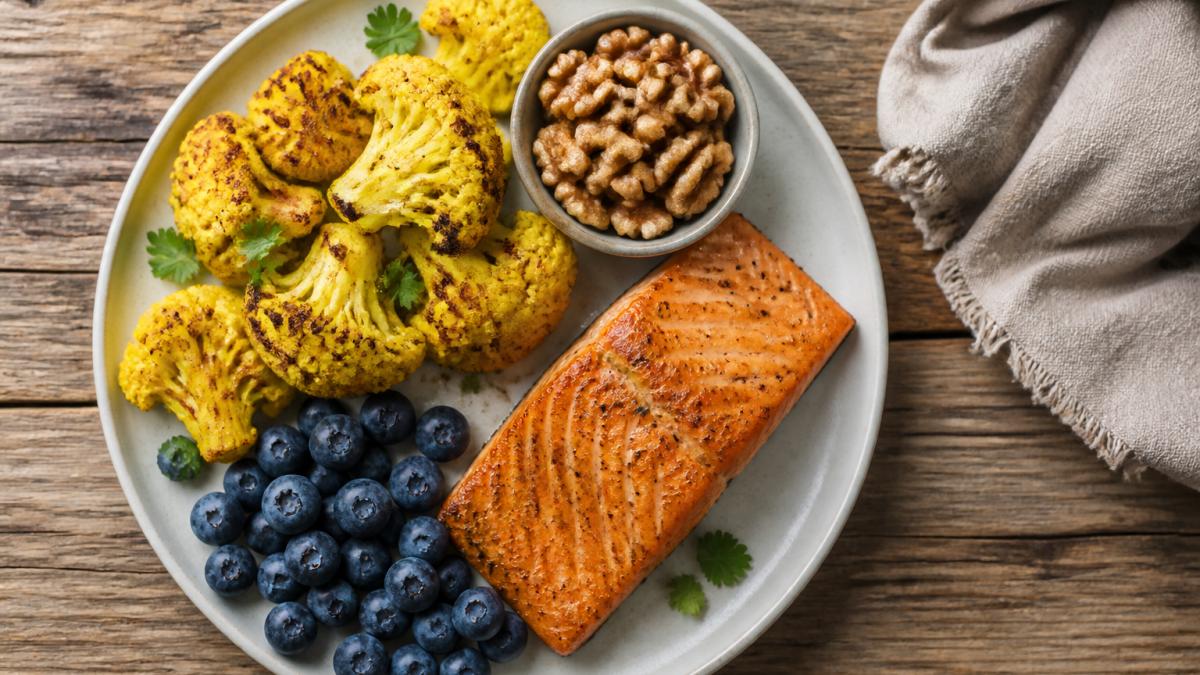
The Mediterranean style of eating is the pattern most often studied in this context, and it emphasizes fish, olive oil, vegetables, fruit, and legumes while limiting processed food. You do not need to follow it perfectly.
Fatty Fish and Omega-3s
Fatty fish such as salmon, sardines, and mackerel are rich in omega-3 fatty acids, which the body uses to help regulate its inflammatory response. Aim for two servings a week if fish fits your diet. If it does not, flaxseeds, walnuts, and fish oil are common alternatives, though plant-based omega-3s work differently in the body than marine sources.
Fruits and Vegetables Rich in Antioxidants
Antioxidants help protect cells from the oxidative stress that accompanies chronic inflammation. Blueberries, strawberries, cherries, and citrus fruits are practical everyday choices, and pineapple contains bromelain, an enzyme often discussed alongside joint comfort. Frozen fruit works just as well as fresh and costs less out of season.
Anti-Inflammatory Herbs and Spices That Earn Their Place
Herbs and spices are the easiest remedies to add because they improve flavor while you use them. The two with the most attention behind them are turmeric and ginger, and both fit naturally into cooking rather than requiring a separate regimen.
Turmeric and Curcumin
Turmeric contains curcumin, the compound most studied for its anti-inflammatory effects. The catch is absorption: curcumin is poorly absorbed on its own, and black pepper is commonly paired with it to help. Cooking turmeric into soups, rice, or scrambled eggs is a low-effort way to include it daily.
Ginger, Green Tea, and Other Herbal Options
Ginger has a long history of use for digestive comfort and is easy to grate into tea or stir-fries. Green tea provides antioxidants in a form most people already enjoy. Herbal teas such as dandelion root are popular for general wellness, though the evidence for any single tea is thinner than the marketing suggests. Boswellia serrata is another herb often sold in supplement form; if you try it, buy from a reputable brand and tell your doctor.
Anti-Inflammatory Drinks You Can Make at Home
Anti-inflammatory drinks are a convenient way to combine several remedies in one glass. A simple warm tonic of ginger, turmeric, lemon, and a little honey covers a lot of ground in about five minutes.
Here is a basic recipe to start from:
- Steep a thumb of sliced fresh ginger in hot water for five minutes
- Stir in a quarter teaspoon of turmeric and a pinch of black pepper
- Add lemon juice and a small spoon of honey to taste
- Drink warm, once daily
If the daily chopping and steeping is the part that never sticks, a ready-to-drink option removes that friction. Bite Me Wellness Tonic combines organic apple cider vinegar, Manuka honey, ginger, and turmeric in a smooth blend with no harsh burn, so it fits into a morning routine without a blender or a mess.
Building a Sustainable Anti-Inflammatory Eating Plan
The plan that works is the one you can keep doing in month three, not the strictest one you can manage for a week. Start with one change per week and layer from there. Below is a framework, some real meal examples, and the swaps that make it stick.
| Focus Area | What to Do | How Often |
|---|---|---|
| Fatty fish | Salmon, sardines, or mackerel | 2 servings weekly |
| Colorful produce | Berries, cherries, citrus, leafy greens | Daily |
| Turmeric and ginger | Cooked into meals or taken as a tonic | Daily |
| Green tea | Replace one coffee or soda | Most days |
| Processed food | Swap for a whole-food snack | As often as possible |
What a Day Might Actually Look Like
- Breakfast: Plain Greek yogurt with blueberries, walnuts, and a dusting of cinnamon; or scrambled eggs with spinach and a pinch of turmeric.
- Lunch: A grain bowl with farro or brown rice, chickpeas, roasted vegetables, and olive oil; or leftover salmon flaked over greens with lemon.
- Snack: An apple with a small handful of almonds; or carrots with hummus.
- Dinner: Sheet-pan salmon with roasted broccoli and sweet potato; or a lentil curry with ginger, garlic, and turmeric over rice.
- Drink: Water, green tea, or a warm ginger-turmeric tonic.
None of this requires a specialty store. The point is a pattern, not a perfect day.
Shopping and Substitution Guide
- Fresh is not mandatory. Frozen berries, frozen spinach, and canned sardines in olive oil are affordable, shelf-stable, and nutritionally comparable for most everyday purposes.
- Swap refined for whole. White rice → brown rice or quinoa. White bread → whole-grain or sourdough. Sugary cereal → oats with fruit and nuts.
- Swap snacks. Chips → nuts or roasted chickpeas. Candy → dark chocolate (70% or higher) in a small square. Soda → sparkling water with lime.
- Swap fats. Margarine or seed-oil-heavy spreads → olive oil for cooking and dressing.
- Swap proteins occasionally. One red-meat dinner per week → a bean or lentil dinner.
Common Mistakes That Derail the Plan
A common pattern is overhauling everything at once, then abandoning it by week two. Pick the two rows above that feel easiest, hold them for a month, and add the next one after that. Another mistake is treating one 'superfood' as a fix while the rest of the plate stays the same, a turmeric capsule does not offset a diet built on ultra-processed food. Finally, do not chase perfection. An 80% consistent pattern over months beats a flawless week followed by a crash.
If the daily chopping and steeping is the part that never sticks, a ready-to-drink option removes that friction. Bite Me Wellness Tonic combines organic apple cider vinegar, Manuka honey, ginger, and turmeric in a smooth blend with no harsh burn, so it fits into a morning routine without a blender or a mess. It is a food product, not a medicine, and it works best alongside the food and lifestyle habits above rather than instead of them.
Conclusion: Small Changes, Realistic Expectations
Chronic inflammation rarely resolves from a single remedy, and anyone promising a fast fix is overselling. The realistic path is unglamorous: more fish and produce, daily turmeric and ginger, less processed food, and consistency over months rather than days. Pair those habits with a convenient daily tonic and the routine becomes something you actually maintain. Explore the Bite Me Wellness Tonic range to find a flavor you will look forward to, and build your anti-inflammatory habits one small step at a time.
Frequently Asked Questions
What is the strongest natural anti-inflammatory?
There is no single strongest option. Turmeric with black pepper, ginger, and omega-3-rich fatty fish like salmon and sardines have the most consistent research behind them. Turmeric's curcumin shows measurable effects on inflammatory markers in several studies, but absorption is poor without black pepper or a lipid source. Ginger has solid evidence for muscle soreness. The strongest approach combines several of these rather than relying on one. If you take blood thinners or have a bleeding disorder, talk to your doctor before adding high-dose turmeric or ginger.
What drinks flush out inflammation?
No drink flushes out inflammation, but some support a healthier inflammatory response. Green tea contains EGCG, a compound studied for its anti-inflammatory effects. Ginger tea and turmeric lattes are popular anti-inflammatory drinks. Tart cherry juice has evidence for muscle recovery and joint comfort. Dandelion tea is often mentioned for circulation. A daily wellness shot with apple cider vinegar, ginger, and turmeric fits this category and is easier to keep up than brewing tea from scratch. Aim for consistency over intensity, and limit added sugar, which works against you.
What are three signs of chronic inflammation?
Three common signs of chronic inflammation are persistent fatigue that does not improve with rest, joint or muscle pain that lingers for weeks, and digestive issues like bloating or irregularity. Other signs include skin problems, frequent infections, and brain fog. These symptoms overlap with many conditions, so they are not proof of inflammation on their own. Blood tests for CRP and ESR can measure inflammatory markers, but only a health care professional can interpret them in context. If symptoms last more than a few weeks, get evaluated rather than self-treating indefinitely.
Can certain foods help support a healthy inflammatory response?
Yes. Anti-inflammatory foods include fatty fish (salmon, sardines, mackerel), antioxidant-rich fruits (blueberries, strawberries, cherries, citrus), vegetables, walnuts, flaxseeds, and olive oil. Anti-inflammatory herbs and spices like turmeric, ginger, and Boswellia serrata also play a role. The pattern matters more than any single food. A diet built around these foods while limiting processed items, refined sugar, and excess alcohol supports your body's natural inflammatory response. Most people notice changes in four to eight weeks, though results vary by individual and overall diet quality.