
Natural Ways to Boost Immune System 2026
Table of Contents
- Understanding Your Immune System and What Strengthens It
- The Gut Health and Immunity Connection
- Foods That Support Immune Function
- Sleep, Stress, and Circadian Rhythm: The Overlooked Immune Boosters
- Daily Habits for Immune Health
- Natural Supplements and Whole Foods: What the Evidence Shows
- Seasonal Adjustments to Support Year-Round Immunity
- How to Boost Immune System Naturally: Your Action Plan
Last Updated: August 25, 2026
Understanding Your Immune System and What Strengthens It
Your immune system is a complex network of cells, proteins, and organs working together to defend your body against pathogens and harmful invaders. Immunity isn't a single switch you flip on or off, it's a system that responds to your daily choices. The foods you eat, how much you sleep, your stress levels, and your physical activity all send signals that either strengthen or weaken your immune response.
The foundation of immune health rests on supporting your white blood cells, antibodies, and immune-regulating proteins. These defenders need specific nutrients, adequate rest, and a calm nervous system to function optimally. Your immune system is also deeply connected to your gut, the bacteria living in your digestive tract directly influence how well your immune cells recognize and respond to threats.
The Gut Health and Immunity Connection
Your gut microbiome, the trillions of bacteria living in your digestive system, functions as a critical immune organ. These microbes train your immune cells, produce compounds that reduce inflammation, and create a physical barrier against harmful pathogens. When your gut bacteria are diverse and balanced, your immune system works more efficiently.
Your gut bacteria produce short-chain fatty acids like butyrate, which strengthen the intestinal lining and reduce systemic inflammation (peer-reviewed research). They also produce neurotransmitters that calm your nervous system, lowering cortisol levels. A healthy gut makes you more resilient to stress and infection.
Dysbiosis, an imbalance in gut bacteria caused by processed foods, antibiotics, chronic stress, or insufficient fiber, compromises immune signaling. When your microbiome is out of balance, you become more susceptible to infections and experience more inflammation.
Restoring gut health requires feeding your beneficial bacteria fiber-rich vegetables, fermented foods, and polyphenol-rich foods. Fermented foods like yogurt, kefir, sauerkraut, and kimchi introduce live probiotics. Prebiotic foods like asparagus, garlic, onions, and bananas feed beneficial bacteria already living there. For people with specific sensitivities, a targeted approach works better than generic recommendations.
Foods That Support Immune Function
The strongest immune systems are built on food, not supplements. Every nutrient your immune cells need is available through strategic eating.
Vitamin C and antioxidant-rich choices
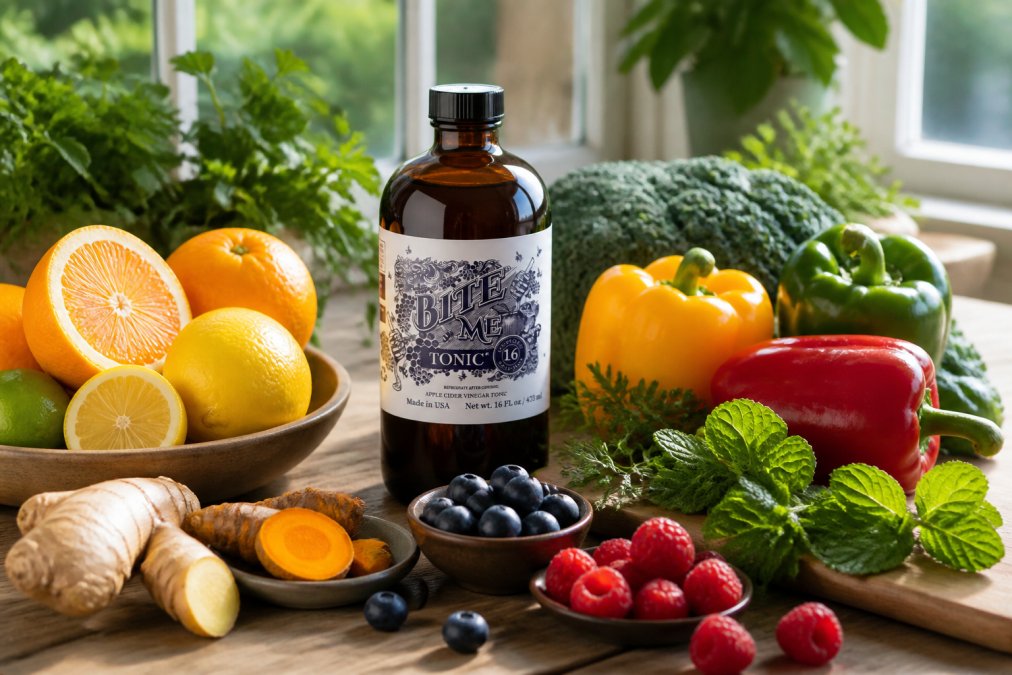
Vitamin C supports the production and function of white blood cells while acting as a powerful antioxidant that neutralizes oxidative stress. Bell peppers contain more vitamin C per serving than oranges, and kiwi, strawberries, and broccoli are also excellent sources (usda.gov). Eat these foods raw or lightly cooked, as heat destroys vitamin C.
Antioxidants go beyond vitamin C. Berries contain anthocyanins, leafy greens contain lutein, and colorful vegetables contain carotenoids. Eating a rainbow of vegetables protects against different types of oxidative damage.
Zinc, vitamin D, and essential micronutrients
Zinc is essential for immune cell development and function. Zinc-rich foods include oysters and shellfish, beef, pumpkin seeds, and chickpeas. Plant-based sources contain zinc but with lower bioavailability; eating them with vitamin C enhances absorption.
Vitamin D regulates immune cell function. Your body produces it from sun exposure, but most people don't get enough sunlight, especially in winter. Fatty fish like salmon and mackerel, egg yolks, and fortified dairy products contain vitamin D. Many people benefit from supplementation in winter months.
Selenium, copper, and iron also play critical roles in immune function. Rather than tracking individual micronutrients obsessively, focus on eating whole foods across multiple food groups. A diet rich in vegetables, lean proteins, whole grains, and healthy fats naturally provides these minerals.
Sleep, Stress, and Circadian Rhythm: The Overlooked Immune Boosters
Sleep is where immune system maintenance happens. During deep sleep, your body produces cytokines, signaling molecules that coordinate immune response and reduce inflammation. People who sleep fewer than six hours per night have significantly higher rates of infection because their immune system doesn't have time to repair and function optimally (peer-reviewed research).
Your circadian rhythm, your body's internal 24-hour clock, directly controls immune function. Disrupting it through irregular sleep schedules, late-night work, or jet lag makes you more vulnerable to infection.
Chronic stress suppresses white blood cell production and reduces antibody effectiveness. The fix isn't meditation alone, it's consistency: going to bed at the same time each night, getting morning sunlight to set your circadian rhythm, and building stress-management practices into your daily routine. Even 10 minutes of walking, breathing exercises, or gentle movement reduces cortisol and strengthens immune function.
Daily Habits for Immune Health
Physical activity and infection prevention
Regular physical activity enhances immune function by increasing circulation, reducing inflammation, and improving sleep quality. A 30-minute walk most days of the week is more effective for immunity than intense exercise once per week. Consistent movement also improves metabolic health, which is foundational to immune function.

Hygiene practices that matter
Hand washing with soap and water remains the single most effective way to prevent infection transmission. Respiratory hygiene, covering your cough or sneeze with your elbow, prevents spreading pathogens. Regular cleaning of frequently touched surfaces reduces pathogen load in your environment.
Natural Supplements and Whole Foods: What the Evidence Shows
Supplements have a role, but they're not a substitute for food and lifestyle. Your body absorbs and utilizes nutrients from whole foods more effectively than from isolated supplements. An orange contains not just vitamin C, but also fiber, polyphenols, and other compounds that work synergistically.
Some supplements fill legitimate gaps. Vitamin D supplementation makes sense if you live in a northern climate with limited winter sunlight. Zinc supplementation can shorten cold duration if taken early in illness. Probiotics may help restore gut bacteria after antibiotic use.
The trap is believing that supplements replace food and lifestyle. A person taking expensive supplements while sleeping poorly, eating processed food, and living under chronic stress will have weak immunity. Whole foods should always be your foundation.
Seasonal Adjustments to Support Year-Round Immunity
Your immune system responds to seasonal changes. In winter, reduced sunlight lowers vitamin D production, and cold temperatures increase respiratory infection rates. Winter immunity requires prioritizing vitamin D, maintaining consistent sleep despite shorter daylight, and focusing on warming spices like ginger and turmeric that reduce inflammation.
Summer immunity requires staying hydrated and maintaining electrolyte balance. Spring and fall transitions are when immune function often dips as your body adjusts to temperature and daylight changes, double down on sleep, consistency, and stress management during these periods.
How to Boost Immune System Naturally: Your Action Plan
Building immune resilience requires consistency. Here's a practical framework:
Week 1-2: Foundation Establish a consistent bedtime and wake time, even on weekends. Aim for 7-9 hours.
Week 3-4: Nutrition Add one vegetable you don't currently eat to each meal. Focus on variety and color. Include one protein source at each meal.
Week 5-6: Movement Add 20-30 minutes of walking or movement most days. Walking outside provides sunlight exposure, which supports circadian rhythm and vitamin D production.
Week 7-8: Stress Management Build one stress-management practice into your daily routine, 10 minutes of breathing exercises, a short walk, journaling, or time in nature.
Ongoing: Gut Support Include fermented foods or a quality probiotic. Include prebiotic foods from vegetables and whole grains.
For those looking to accelerate results, Bite Me Wellness Tonic, formulated with organic apple cider vinegar, Manuka honey, ginger, and turmeric, supports gut health and immune function with a smooth taste that makes daily wellness genuinely enjoyable. Unlike harsh vinegar shots that irritate your throat, this blend delivers the immune-supporting benefits of its ingredients without the burn.

| Action | Timing | Frequency | Expected Benefit |
|---|---|---|---|
| Consistent sleep (7-9 hours) | Nightly | Every night | Immune cell production, inflammation reduction |
| Colorful vegetables | Each meal | 3+ servings daily | Antioxidant intake, micronutrient support |
| Protein at each meal | Every meal | 3x daily | Immune cell building blocks, satiety |
| Physical activity | Morning or afternoon | Most days | Circulation, stress reduction, sleep quality |
| Stress management practice | Daily | 10-15 minutes | Cortisol reduction, nervous system balance |
| Fermented or probiotic foods | With meals | Daily | Gut microbiome support, immune signaling |
Boosting your immune system naturally isn't about finding the perfect supplement or following restrictive rules. It's about consistency in the fundamentals: sleep, nutrition, movement, stress management, and gut health. These five pillars compound over time, creating resilience that protects you through cold season, stressful periods, and seasonal transitions. Start with one area where you're weakest, build consistency there, then add the next. Within 8-12 weeks, you'll notice the difference, more energy, fewer sick days, and that feeling of being genuinely well. Bite Me Wellness Tonic supports this journey by making gut health accessible and genuinely enjoyable, so you actually stick with it.
Frequently Asked Questions
How do I boost my immune system naturally in one week?
While significant immune strengthening takes weeks or months, you can start immediately by prioritizing sleep (7-9 hours nightly), reducing stress through meditation or walks, eating vitamin C-rich foods like citrus and bell peppers, staying hydrated, and practicing hand hygiene. Consistent daily habits matter more than quick fixes. Adding a daily wellness tonic with organic apple cider vinegar, ginger, and Manuka honey can support your efforts as part of a broader routine.
What is the gut health and immunity connection?
Your gut hosts trillions of bacteria that directly influence immune response. A healthy microbiome helps your body recognize pathogens and mount an effective cellular defense against infection. Poor gut health creates inflammation and weakens white blood cells. Supporting gut health through probiotics, fiber-rich foods, and ingredients like ginger and turmeric enhances your overall immune regulation and reduces chronic inflammation.
Which foods that support immune function should I eat daily?
Focus on foods rich in vitamin C (citrus, kiwi, bell peppers), vitamin D (fatty fish, egg yolks), zinc (nuts, seeds, legumes), and antioxidants (berries, leafy greens, turmeric). Include ginger and garlic for their phytonutrients and anti-inflammatory properties. Fermented foods like yogurt support probiotics. A balanced diet with variety ensures you get the micronutrients your immune system needs to function optimally and defend against pathogens.
How does sleep affect immune system strength?
During sleep, your body produces cytokines that help fight infection and inflammation. Poor sleep hygiene reduces white blood cell production and weakens your immune response to pathogens. Aim for 7-9 hours nightly, keep a consistent sleep schedule to align with your circadian rhythm, and avoid screens before bed. Quality sleep is as important as diet and exercise for maintaining a strong, responsive immune system.
What's the difference between supplements and whole foods for immunity?
Whole foods provide micronutrients in their natural form with better bioavailability, plus fiber and phytonutrients that isolated supplements lack. A balanced diet should be your foundation. Supplements fill specific deficiencies but cannot replace food. For example, vitamin C from oranges includes fiber and antioxidants; a pill gives only the vitamin. Focus on whole foods first, then add targeted supplements if testing shows deficiency.
Can stress really weaken my immune system?
Yes. Chronic stress elevates cortisol, which suppresses white blood cell production and increases inflammation. This impairs your body's ability to fight pathogens and slows immune response. Managing stress through exercise, meditation, adequate sleep, and social connection directly strengthens immune function. Even 10-15 minutes of daily stress reduction improves cellular defense and helps regulate your immune system over time.
This article was written using GrandRanker