
Gut Health Supplements Without Onion or Garlic
Table of Contents
- Why Onion and Garlic Trigger Digestive Distress
- Signs of an Unhealthy Gut and When to Act
- Prebiotics That Support Your Microbiome
- Best Gut Health Supplements for Bloating
- Low FODMAP Supplements and Label Decoding
- How to Choose Supplements Free of Hidden Onion and Garlic
- Building a Sustainable Gut Health Routine
- Conclusion
Last Updated: August 27, 2026
Why Onion and Garlic Trigger Digestive Distress
Onion and garlic are fermentable carbohydrates known as fructans, which belong to a broader category called FODMAPs (fermentable oligosaccharides, disaccharides, monosaccharides, and polyols) (peer-reviewed research). For people with sensitive digestive systems, these compounds ferment in the small intestine before they're fully absorbed, producing gas, bloating, and discomfort. The fermentation process happens because your gut microbiome lacks the enzymes needed to break these carbohydrates down efficiently.
This doesn't mean onion and garlic are inherently "bad", they're nutritious for most people. But if you experience bloating, cramping, or brain fog after eating them, your gut microbiome diversity may be limited, or your digestive enzymes may be working overtime. The problem intensifies when you're already managing digestive sensitivity or conditions like IBS.
Many people don't realize onion and garlic hide in processed supplements, broths, and "natural flavoring" on ingredient labels. This is why reading labels carefully matters more than the supplement itself. At Bite Me Wellness Tonic, we focus on supporting gut health through ingredients that nourish, not irritate, which is why our tonic contains ginger and turmeric instead of common trigger foods.
Signs of an Unhealthy Gut and When to Act
An unhealthy gut manifests through more than just digestive discomfort. Common signals include persistent bloating that worsens throughout the day, irregular bowel movements, chronic brain fog, low energy, skin issues, or frequent infections. These symptoms often trace back to poor gut microbiome diversity, meaning you have fewer beneficial bacterial strains protecting your intestinal lining and supporting nutrient absorption.

When your gut flora becomes imbalanced (a condition called dysbiosis), your intestinal barrier weakens. This allows undigested food particles and bacterial toxins to pass through, triggering inflammation and triggering the cascade of symptoms many describe as feeling "off." The gut-brain axis means poor digestive wellness also affects mood, focus, and stress resilience.
You should consider addressing gut health when symptoms persist for more than two weeks despite dietary changes, or when bloating becomes severe enough to interfere with daily life. Early intervention prevents the condition from worsening and helps rebuild your gut microbiome diversity faster.
Prebiotics That Support Your Microbiome
Prebiotics are non-digestible carbohydrates that feed beneficial bacteria in your gut microbiome, strengthening bacterial colonization of protective strains like bifidobacteria and lactobacillus (peer-reviewed research). Unlike probiotics (which introduce live microorganisms), prebiotics work by selectively nourishing the bacteria already living in your digestive tract.
The best prebiotic sources for people avoiding onion and garlic include resistant starch, psyllium husk, and specific plant fibers. These options support microbiome diversity without triggering fermentation-related bloating.
Psyllium Husk and Soluble Fiber
Psyllium husk is a soluble fiber derived from plantain seeds that absorbs water and forms a gel-like substance in your digestive tract. This slows intestinal transit, allowing more time for nutrient absorption and giving your gut microbiome time to ferment the fiber gradually rather than all at once (which causes bloating).
Most people tolerate psyllium husk well because it ferments slowly and completely. Start with half a teaspoon mixed into water or smoothies, then gradually increase to one teaspoon daily. The slow introduction prevents a sudden surge in gas production. Many practitioners recommend taking psyllium in the evening, as it supports more consistent bowel movements by morning.
Soluble fibers like inulin (from chicory root, not onion) also work, but chicory inulin ferments more rapidly than psyllium, so it's better suited for people whose gut microbiome is already established. If you're rebuilding gut flora after antibiotics or prolonged digestive issues, psyllium is the gentler entry point.
Resistant Starch Sources
Resistant starch is a type of carbohydrate that resists digestion in the small intestine, reaching your colon where it feeds beneficial bacteria (peer-reviewed research). Unlike regular starch, resistant starch doesn't spike blood sugar and ferments slowly, making it ideal for people managing bloating.
Common low-FODMAP resistant starch sources include cooled cooked potatoes, green bananas, and certain legumes prepared correctly. Cooked and cooled white rice also contains resistant starch. The cooling process is essential, resistant starch develops as starches cool after cooking.
Start with a quarter cup of cooled potato or rice daily, then increase gradually. Many people see improvements in digestive comfort and energy within two to three weeks of consistent resistant starch intake, as your gut microbiome adapts and produces short-chain fatty acids that support intestinal health.
Best Gut Health Supplements for Bloating
Bloating often stems from insufficient digestive enzymes or an imbalanced gut microbiome that ferments food inefficiently. The right supplements address both issues simultaneously.
Digestive Enzymes for Carbohydrate Intolerance
Digestive enzymes break down macronutrients (proteins, fats, carbohydrates) into smaller molecules your body can absorb. If you experience bloating specifically after eating carbohydrate-rich meals, your pancreas may not be producing enough amylase (the enzyme that breaks down carbs).
Supplemental digestive enzymes containing amylase, lipase, and protease work best when taken with meals. Look for broad-spectrum enzyme blends rather than single-enzyme products. Most people notice reduced bloating and improved digestion within three to five days of consistent use.
The key is finding an enzyme blend without hidden onion or garlic. Many enzyme supplements use "vegetable-based" enzyme sources that actually include fermented garlic or onion powder as a base. Always verify the full ingredient list, not just the "active enzymes" section.
Probiotic Strains That Work for Sensitive Stomachs
Probiotics introduce live beneficial bacteria into your gut microbiome, directly increasing bacterial diversity. Not all probiotic strains are equal, some ferment food more vigorously than others, actually worsening bloating in people with sensitive guts.
The most well-tolerated strains for sensitive stomachs are Lactobacillus plantarum and Bifidobacterium longum. These strains produce less gas during fermentation and are less likely to trigger histamine reactions (a common side effect with certain probiotic strains). Start with a low-dose probiotic (5-10 billion CFU) and increase gradually over two weeks.
Many commercial probiotics hide onion or garlic in their "prebiotic blend" or as a filler ingredient. This defeats the purpose if you're trying to avoid these triggers. Read the full ingredient list, not just the bacterial strain names.
Low FODMAP Supplements and Label Decoding
Low-FODMAP supplements are formulated to exclude fermentable carbohydrates that trigger bloating in sensitive people. The challenge is that many supplement manufacturers don't explicitly label products as "low-FODMAP," so you must decode ingredient lists yourself.
Red flags to watch for on supplement labels include "garlic extract," "onion powder," "inulin," "chicory root," "high-fructose ingredients," and vague terms like "natural flavoring" or "proprietary blend." These terms often mask fermentable carbohydrates or known triggers.
Look instead for specific ingredient names: psyllium husk, resistant starch, ginger, turmeric, L-glutamine, and specific probiotic strains listed by name (e.g., "Lactobacillus plantarum" rather than "probiotic blend"). Transparent labeling means the manufacturer isn't hiding anything.
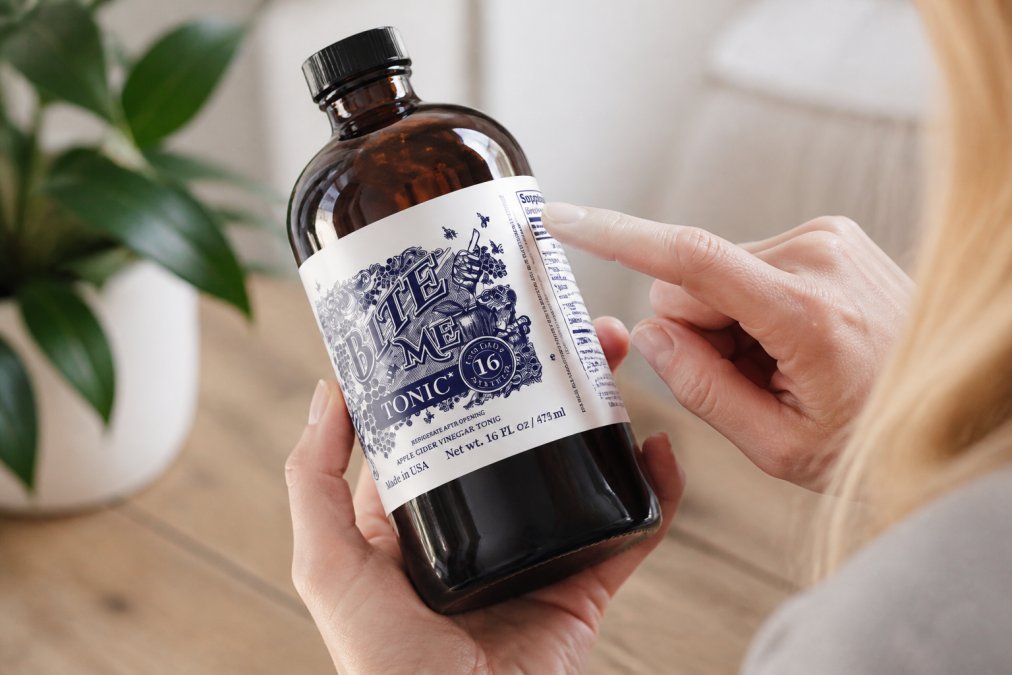
Many wellness tonics and gut-health drinks market themselves as "all-natural" without disclosing that they contain garlic or onion. This is where reading the full ingredient list becomes your best defense. If a product doesn't list every single ingredient, contact the manufacturer directly before purchasing.
How to Choose Supplements Free of Hidden Onion and Garlic
Start by understanding which supplement categories most commonly hide onion or garlic. Bone broths, collagen powders, electrolyte blends, and "supergreens" formulas frequently use garlic or onion powder as a flavoring base. Digestive enzyme blends sometimes include fermented garlic as a "natural enzyme source."
Call or email the manufacturer if the label doesn't explicitly state "free of onion and garlic." A reputable company will have this information readily available. If they're evasive or claim it's proprietary, move to another brand.
Third-party testing certificates (like NSF or USP certification) don't specifically verify onion/garlic absence, but they do confirm that what's on the label is actually in the bottle. This adds one layer of trust to your purchasing decision.
Compare supplements based on ingredient transparency first, then efficacy. A supplement with a pristine ingredient list but modest results is better than a highly-marketed product with hidden triggers. Your gut healing depends on consistency, you can't stay consistent with a supplement that makes you bloat.
Building a Sustainable Gut Health Routine
Sustainable gut health requires consistency over months, not weeks. Most people see meaningful improvements in bloating and digestive comfort within 4-6 weeks of consistent supplement use combined with dietary adjustments.
Start with one supplement at a time and give it at least two weeks before adding another. This approach helps you identify which supplements actually work for your body and which ones cause side effects. Many people rush into taking five supplements simultaneously, then can't pinpoint which one is helping or hurting.
A practical routine looks like this: take a digestive enzyme with your largest meal, a prebiotic supplement (like psyllium husk) in the evening with plenty of water, and a probiotic strain in the morning on an empty stomach or with a light breakfast. This spacing prevents interactions and gives each supplement time to work.
Pair supplements with consistent dietary choices. Avoid your known triggers (onion, garlic, and other high-FODMAP foods if they affect you), eat slowly, and stay hydrated. Hydration alone improves digestive transit and reduces bloating significantly.
Consider pairing your supplement routine with resources that address the behavioral side of gut health. The 30 Day Bloat Reset Guide provides a structured meal plan and daily habits designed to complement supplement use, helping you identify which foods and routines actually support your specific digestive needs. At just $7.00, it's an affordable companion to your supplement routine.

Many people find that adding a daily wellness tonic supports their gut health efforts. Bite Me Wellness Tonic, made with organic apple cider vinegar, Manuka honey, ginger, and turmeric, provides digestive support without the harsh burn of raw vinegar shots. The smooth taste makes it easy to take consistently, consistency is what transforms gut health over time. The Bite Me Tonic 16Days bottle ($24.97) provides 16 daily shots, or the 2 pack ($48.97) gives you a full month supply.


| Supplement Type | Timing | Frequency | Expected Timeline |
|---|---|---|---|
| Digestive Enzymes | With meals | 1-3x daily | 3-5 days |
| Prebiotics (Psyllium) | Evening with water | 1x daily | 2-3 weeks |
| Probiotics | Morning or with light breakfast | 1x daily | 4-6 weeks |
| Wellness Tonic | Morning or evening | 1-2 oz daily | 2-3 weeks |
Choosing gut health supplements without onion or garlic requires vigilance, but the payoff is significant. When your gut microbiome is supported with the right prebiotics, probiotics, and digestive enzymes, and protected from your known triggers, bloating diminishes, energy improves, and you feel genuinely well again. Start with one supplement, read every ingredient label carefully, and give your system time to respond. Your digestive wellness is built on consistency and transparency, not on finding the perfect product overnight.
Frequently Asked Questions
What are the best gut health supplements if I'm sensitive to onion and garlic?
Look for supplements containing prebiotics like psyllium husk, resistant starch, or inulin from chicory root (not from onion or garlic). Probiotic strains such as Bifidobacterium and Lactobacillus support microbiome diversity without triggering sensitivity. Digestive enzymes help break down carbohydrates your body struggles with. Always check ingredient lists for hidden onion powder, garlic powder, or allium-derived ingredients. Wellness tonics formulated specifically without these ingredients offer a convenient daily option.
How do I identify hidden onion or garlic ingredients on supplement labels?
Onion and garlic appear under multiple names: onion powder, garlic powder, allium extract, garlic extract, onion extract, and sometimes simply listed as 'spice blend' or 'seasoning.' Check the full ingredient statement, not just the supplement facts panel. Look for terms like 'proprietary blend' that might hide these ingredients. Contact manufacturers directly if the label is unclear. Many wellness products use these as flavor enhancers or for their prebiotic properties, so reading carefully is essential for sensitive stomachs.
What are signs of an unhealthy gut I should watch for?
Common signs include persistent bloating, irregular digestion, brain fog, low energy, skin issues, and frequent digestive discomfort. Poor gut health affects nutrient absorption and the gut-brain axis, impacting mood and focus. If you notice these patterns lasting more than a few weeks, your gut microbiome may need support. Addressing these early with appropriate supplements and dietary changes helps restore digestive wellness and overall well-being.
Are there low FODMAP supplements that actually work for bloating?
Yes. Low FODMAP supplements avoid high-fructose fruits, wheat-based fibers, and onion/garlic-derived prebiotics. Instead, look for psyllium husk, resistant starch from rice or potato, and probiotic strains proven to reduce bloating. Digestive enzyme supplements help process carbohydrates your body finds difficult. Wellness tonics formulated without FODMAP triggers offer a convenient, delicious way to support gut health daily while avoiding the ingredients that cause discomfort.
This article was written using GrandRanker